

Most impairment goes unmeasured.
Random workplace screening catches around 1% of impaired workers, and more than half of employers in high-risk industries run no scheduled screening at all. The tools that exist, from saliva kits to breathalyzers, were built for suspicion, not prevention.
The exposure is real: 23% of workers in safety-sensitive oil and gas roles report having been impaired on the job, and 75% of adults with a substance use disorder are employed — present, capable-looking, and invisible to most workplace systems.
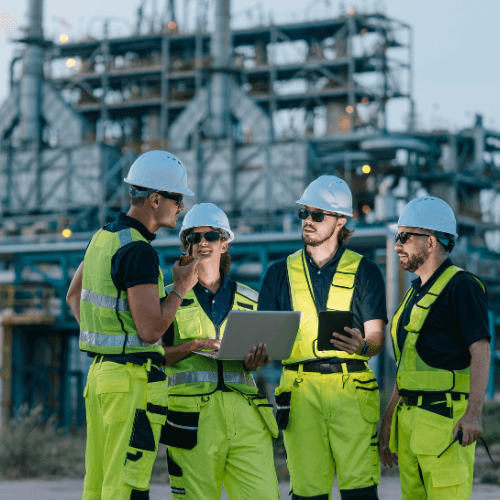
Two solutions, before it becomes a risk.

Sightic Pro
Drug Impairment Screening. Run by any designated person in about 15 seconds, the AI reads the involuntary eye and ocular signals that drugs alter and can't be masked. No samples, no dedicated hardware.
Sightic Solo
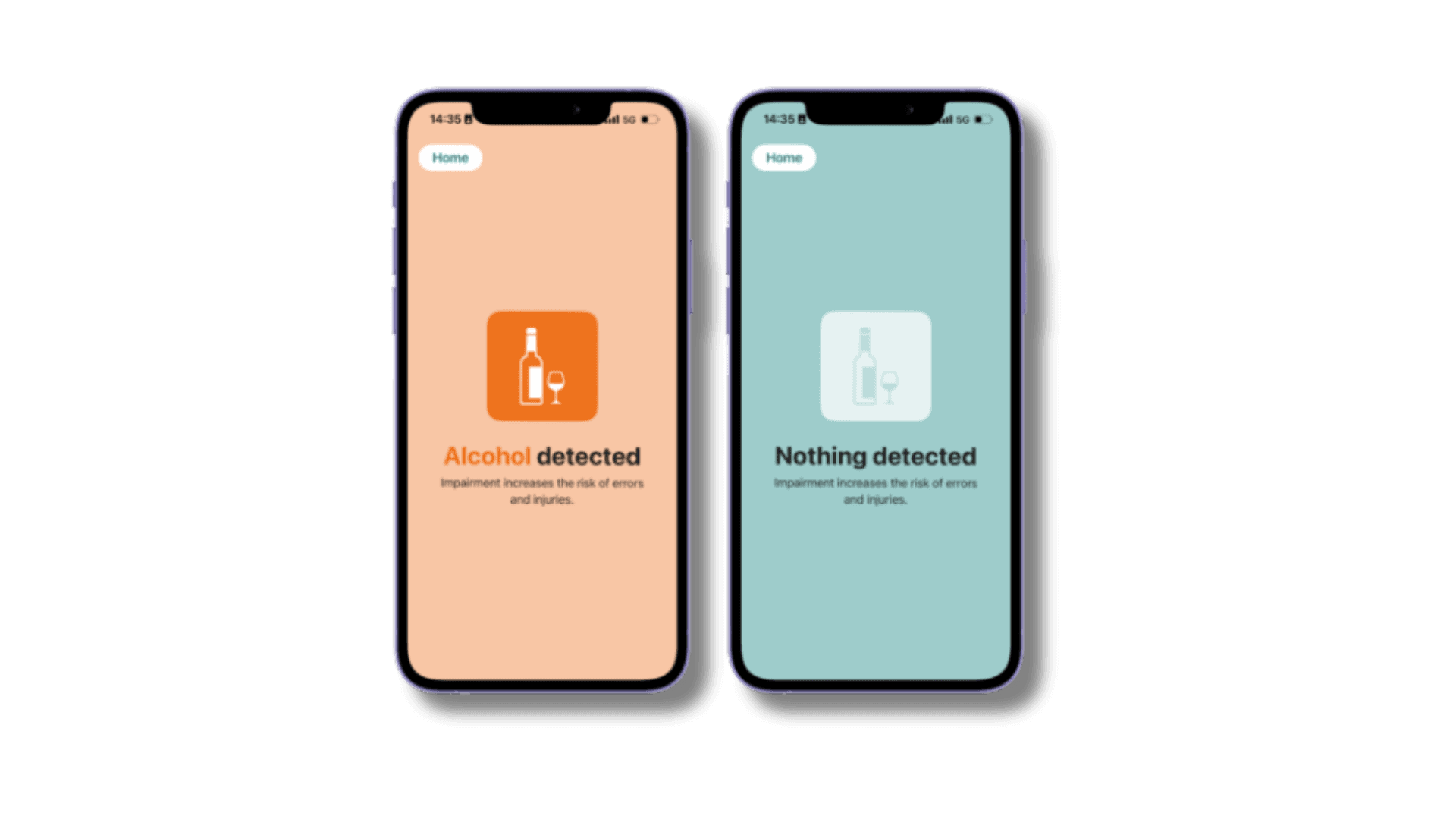
Alcohol Impairment Screening. Self-administered on the employee's own phone, it returns a result in about 6 seconds from the facial and ocular signatures that rise with blood alcohol.
Industries & applications
The same core technology adapts to the settings where a moment of impairment carries real consequence.
Safety-critical workplaces
Screen for drug and alcohol impairment before a shift starts — on a smartphone, in seconds, with no lab, samples or specialist on site. Only positive screens go to further verification, so lab tests keep their role for contested results.
Proven in production and deployed at a major Scandinavian automotive plant for preventive pre-shift screening. The same technology a European police authority uses for roadside drug detection, adapted for the worksite.
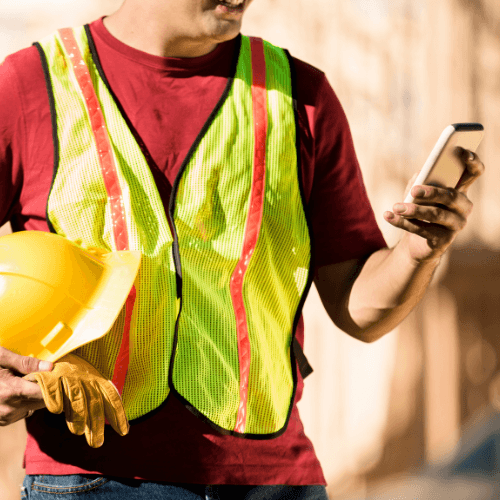
Roughly a 15-second scan run by any designated person; no medical training needed. It reads the involuntary eye movements and ocular responses that drugs alter, and that can’t be masked — across cannabinoids, central stimulants, CNS depressants, and opioids.
A self-administered, roughly 6-second scan on the worker’s own phone, reading the facial and ocular signatures that rise with blood alcohol.
Iris recognition confirms who’s actually present in under a second, so only authorized people enter secure areas or operate vehicles and machinery.
Shared micro-mobility
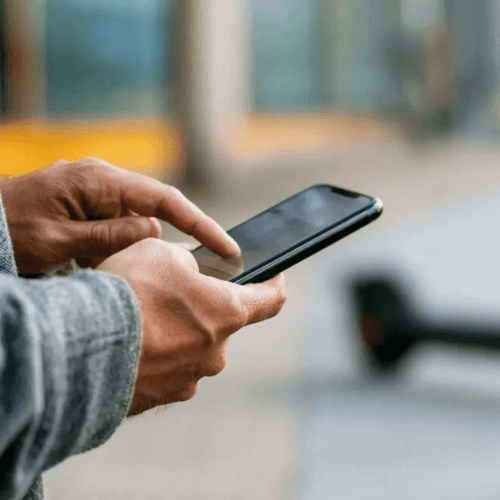
Alcohol is behind a meaningful share of e-scooter injuries, and cities are tightening the rules. Smart Eye adds an under-6-second alcohol scan directly into the unlock flow of your existing rental app. Impaired riders are filtered out, and the sober majority ride on without friction.
The stakes are clear: 28% of e-scooter accidents involve alcohol, and around 30% of riders hospitalized with e-scooter injuries have elevated blood alcohol. By filtering out impaired riders, operators reduce risk and can run with confidence around the clock — safer streets, longer operating hours.
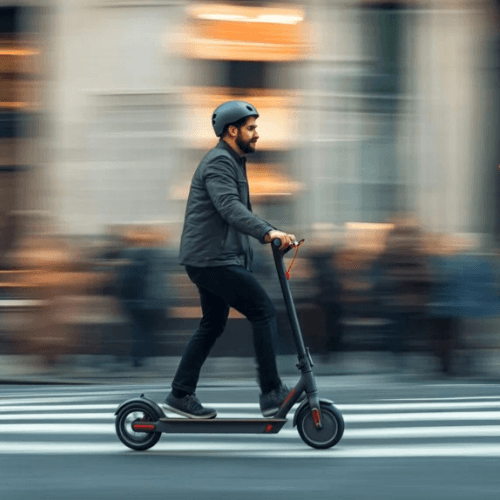
The rider completes a brief scan as part of the normal unlock — no hardware, no queues.
The camera reads eye and head movement and hundreds of other indicators; on a positive, the operator decides what happens next — block, warn or log.
At a 1% false-positive rate, it correctly identifies 97.2% of clearly impaired riders at 0.8‰ BAC and above — where crash risk is roughly ten times higher than for a sober rider.
Retail
Age-restricted sales carry real legal exposure, and every inconsistent ID check is a liability. Smart Eye brings objective, camera-based verification to the checkout — the same outcome every time, whoever is working.
Piloted at Vinmonopolet: Norway’s state alcohol retailer ran the age check across 1,037 scans: none of the 521 under-25 customers were auto-approved, while 97.8% of 40–49-year-olds and everyone 50 and over cleared instantly.
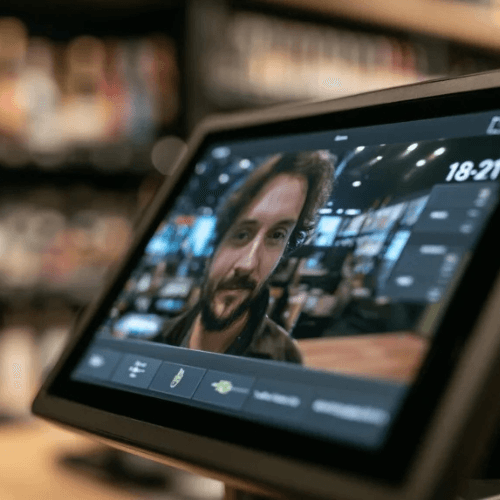
AI estimates age in seconds, auto-approving clearly older customers and flagging anyone near the legal threshold for a standard ID check. One checkout camera, no new hardware.
A passive check that runs while the customer packs their items and signals staff if there are signs of alcohol impairment — no extra step, no interaction.
Built on science.
Every Smart Eye impairment solution rests on a scientifically validated foundation. Accurate, reproducible and grounded in peer-reviewed methodology.
14,000+
real-world recordings of impaired individuals
Partnerships
developed together with leading research institutions
Available now
Ready to deploy with custom integrations scoped to your setup
Ethics, privacy and compliance
All processing happens on-device. No images stored, no biometric data retained. The solutions are GDPR-compliant and ISO 27001 certified, with formal ethics approval for every study behind the models.
Find the right screening for your operation. Tell us about your environment and regulatory exposure and we’ll walk through what a measurable pilot would look like.
Safety & Risk FAQ
Any designated person in your organization can run it; no medical training is required. The drug screen takes about 15 seconds and the alcohol screen around 6 seconds, both on a standard smartphone, so it fits the start of a shift without a lab, samples or a specialist on site. The alcohol screen is self-administered — the worker holds up their own phone — while the drug screen is run by the designated person.
It’s built for prevention rather than suspicion, so it works as a fast first layer: everyone can be screened before a shift, and only those who screen positive proceed to further verification. Lab tests keep their role for confirming contested results — but they were never designed for daily, at-scale use. The result is broader coverage than random testing, which catches only a small fraction of impaired workers, without slowing operations.
Yes. The alcohol scan integrates directly into your existing rental app’s unlock flow, so a rider completes an under-6-second check as part of the normal process before the ride starts — no extra hardware and no queues. The camera reads eye and head movement and other indicators in real time; on a positive result, the operator decides what happens next, whether that’s blocking the ride, showing a warning, or logging the event.
The system uses AI to estimate a customer’s age in seconds from a single checkout camera — auto-approving clearly older customers and flagging only those near the legal threshold for a standard ID check. It runs on the camera already present in most modern self-checkouts, so there’s no new hardware, and it gives the same outcome on every transaction regardless of who’s working. In a pilot at Norway’s state alcohol retailer, none of the 521 under-25 customers were auto-approved across more than a thousand scans.
Yes. Alongside age verification, a passive check runs while the customer packs their items and signals staff if there are signs of alcohol impairment — with no extra step and no interaction for the customer. That covers the second obligation in age-restricted retail: not completing a sale to someone already visibly impaired, without putting that judgment call on individual staff.