
How it works
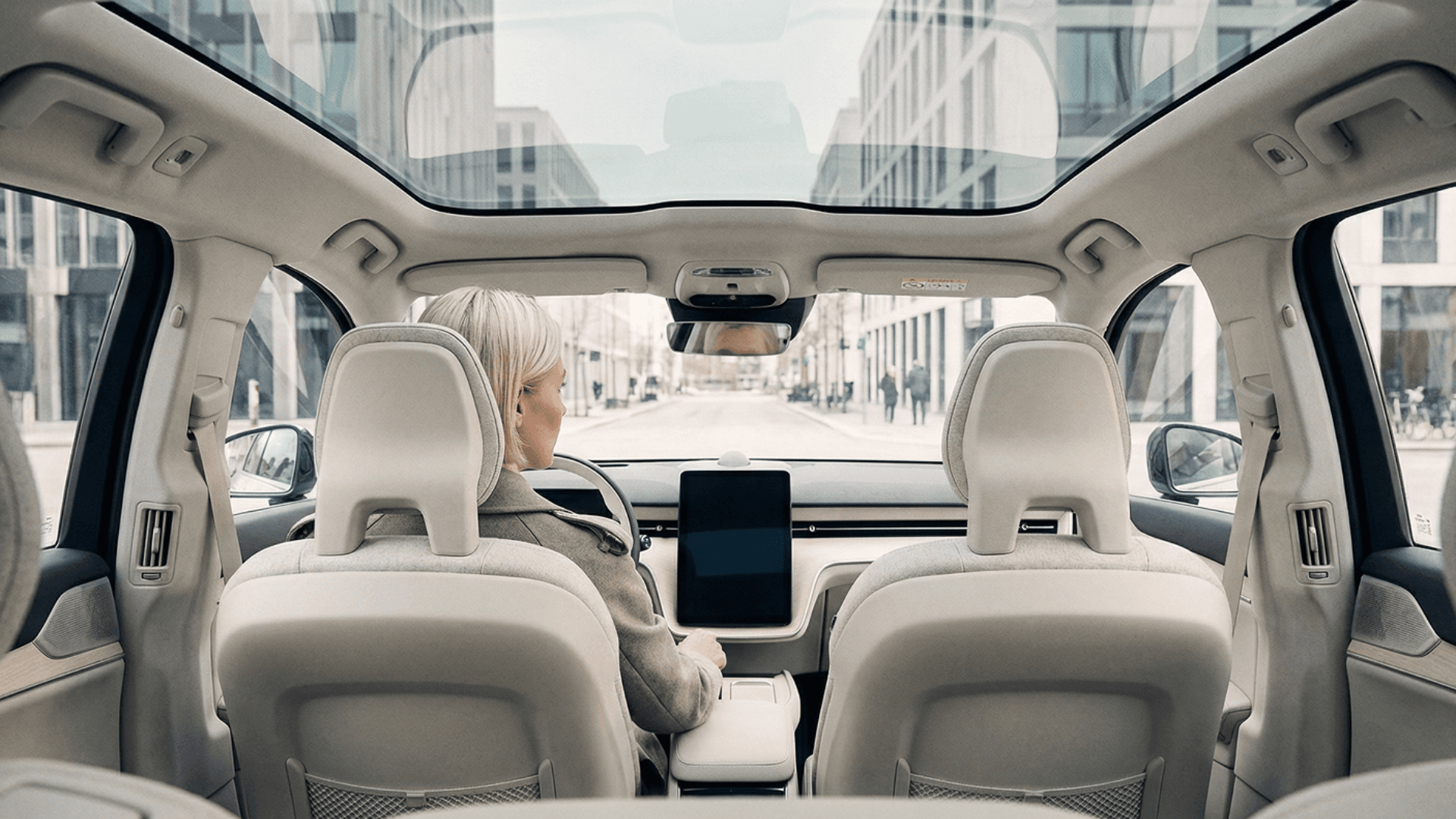
For years, cameras and sensors have helped cars read the road ahead. Cabin monitoring turns them inward, extending driver monitoring to every occupant for a complete view of what’s happening inside the vehicle.
Drawing on more than 25 years of driver monitoring software experience, our DMS and CMS together make up Smart Eye’s interior sensing.
What it detects
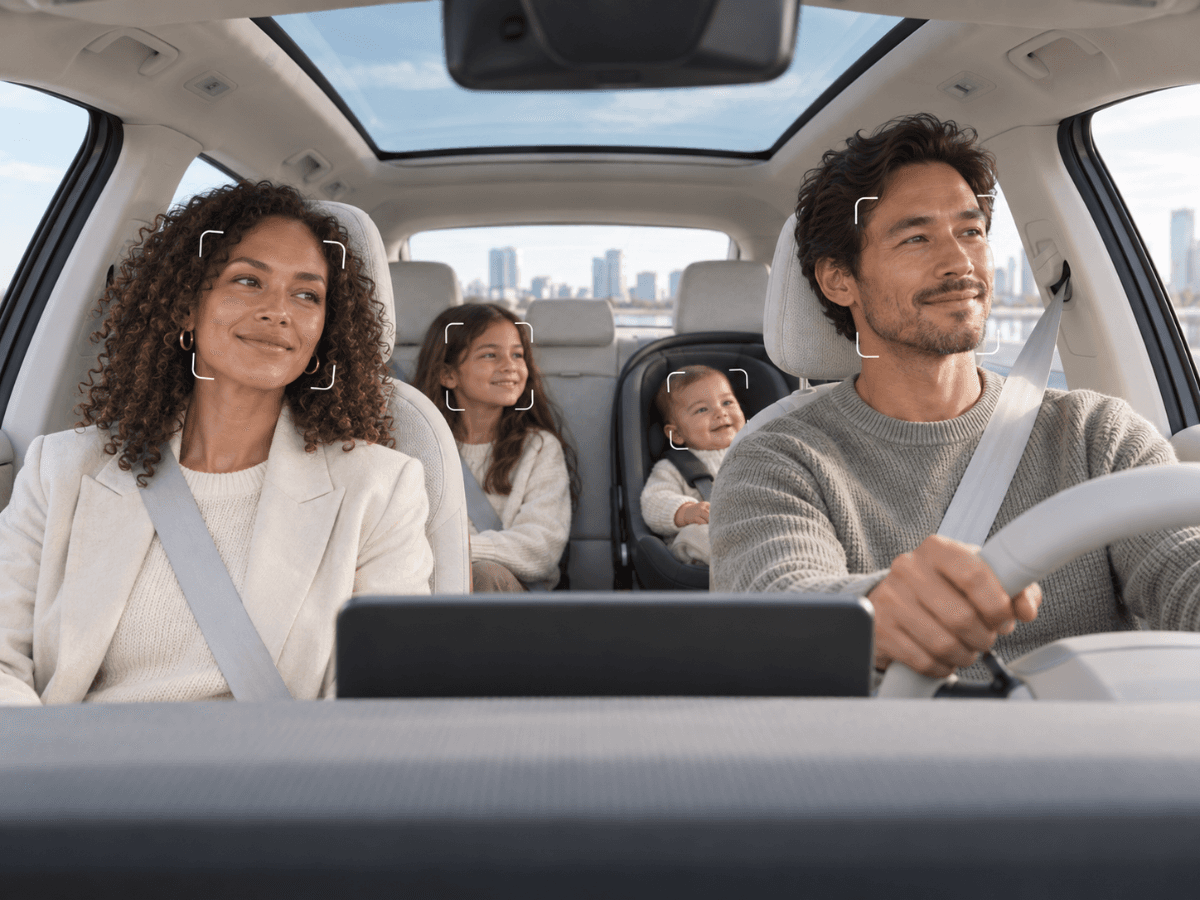
Occupant monitoring across every seat supports features for safety, comfort and entertainment.
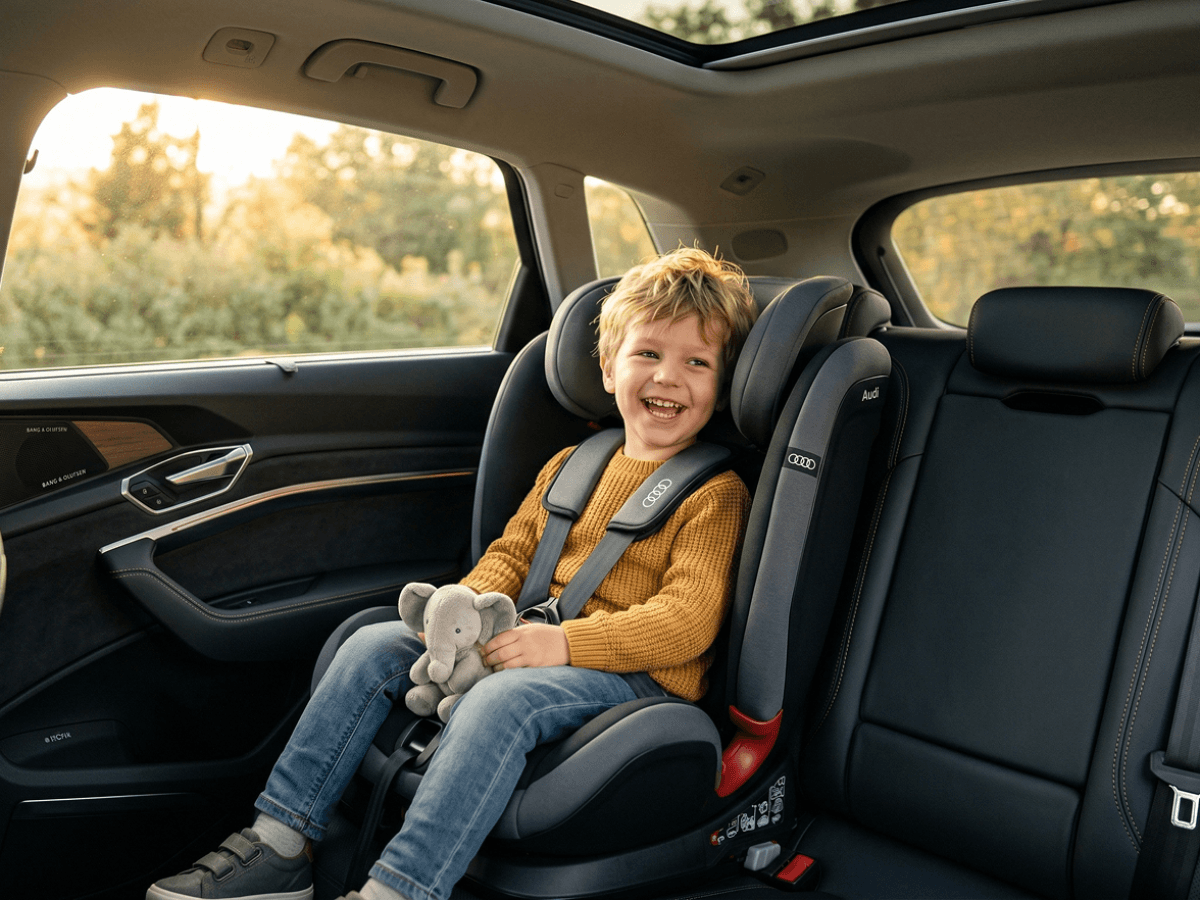
Determines which seats are occupied and by whom, classifying adults, children, child seats and pets. With seat position, this informs airbag deployment.
Checks whether each occupant is wearing a seatbelt, and wearing it correctly.
Identifies children in a moving or parked vehicle, helping prevent heatstroke, which causes an average of 38 child deaths a year in the US alone.
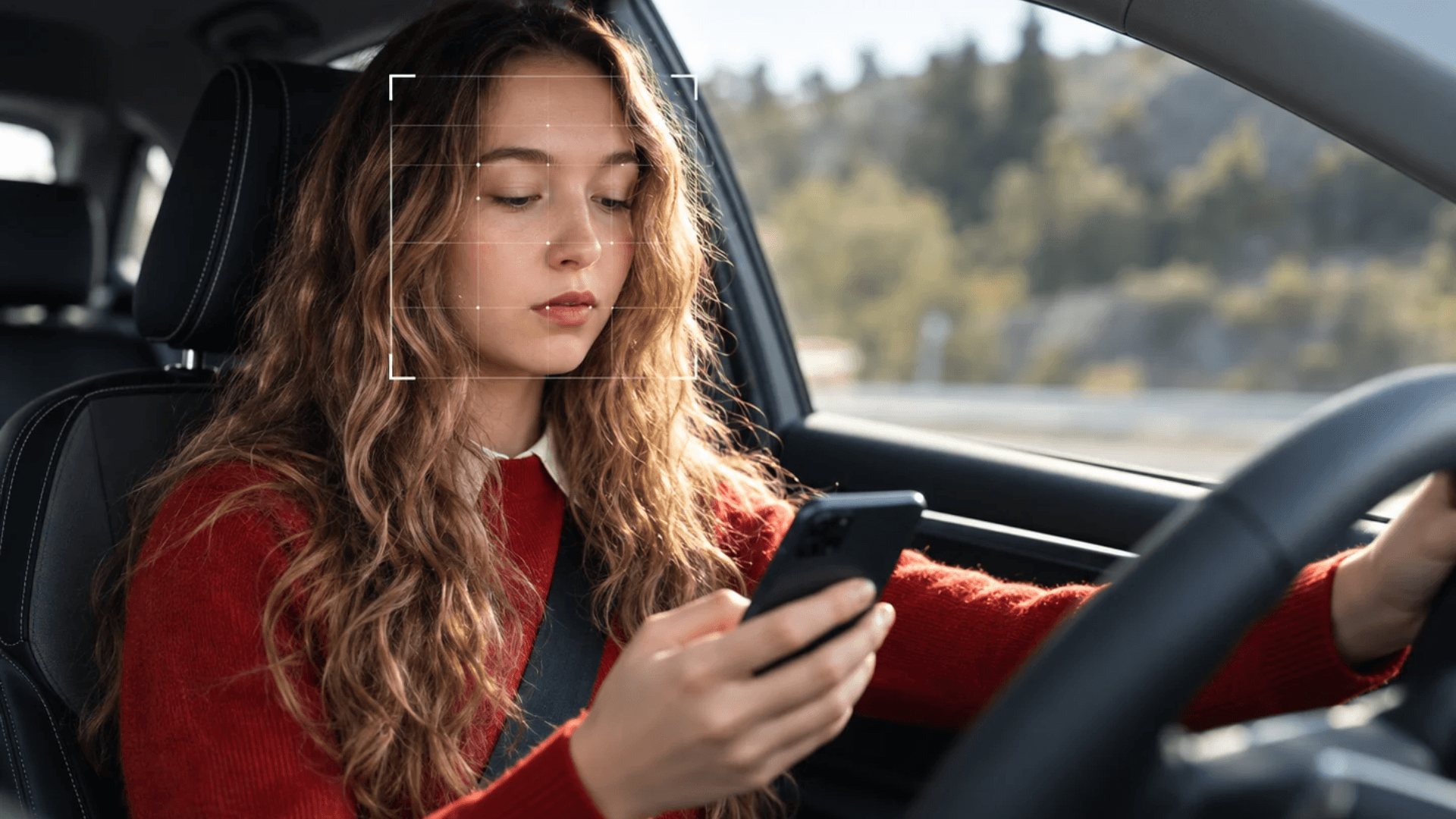
Tracks how each occupant is sitting, including feet on the dashboard, which puts a passenger at serious risk if the airbag deploys, and whether the driver’s hands are on the wheel.
Recognizes registered drivers and passengers to personalize seating, climate, lighting and entertainment, and uses iris authentication to verify identity for in-car payments and parental controls.
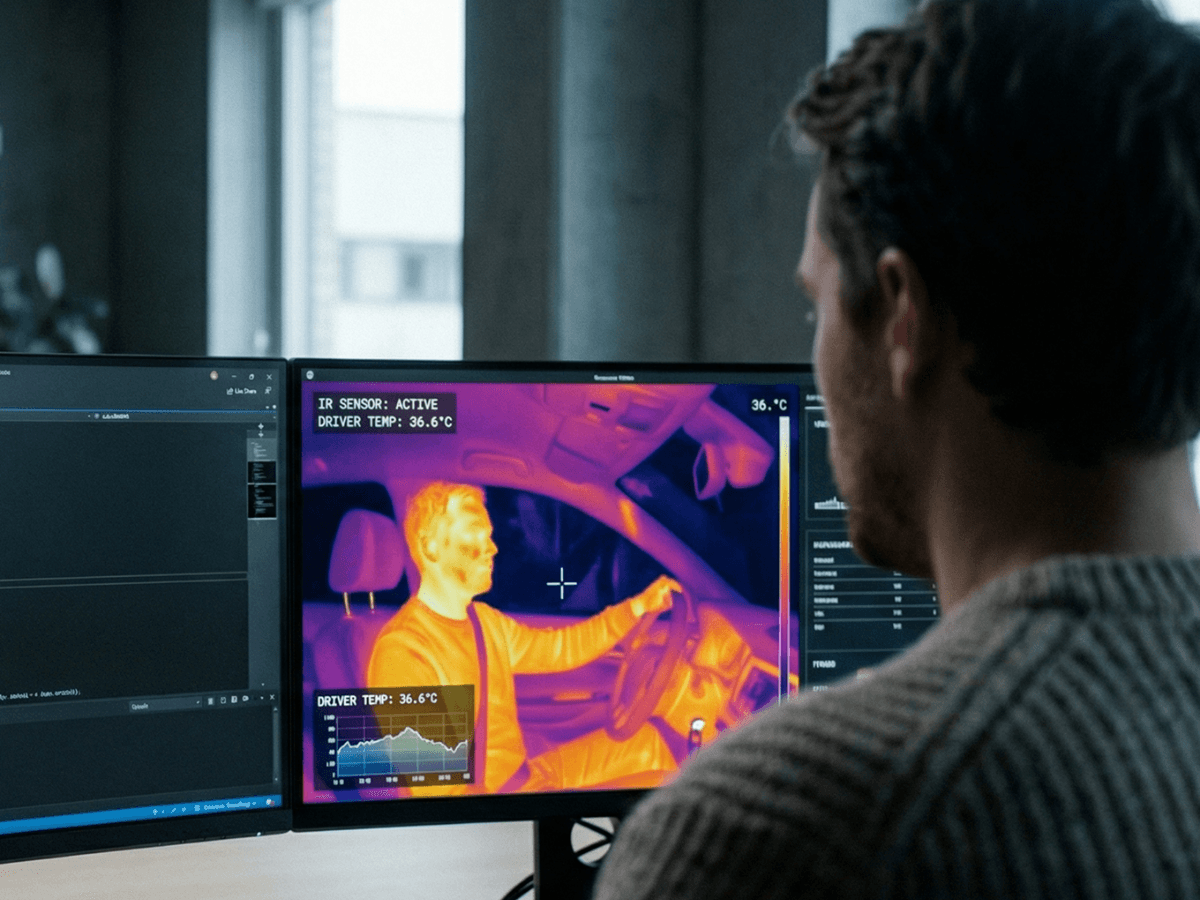
Powered by Sightic, brings alcohol and drug impairment detection to the cabin, using the same camera-based technology as our DMS.
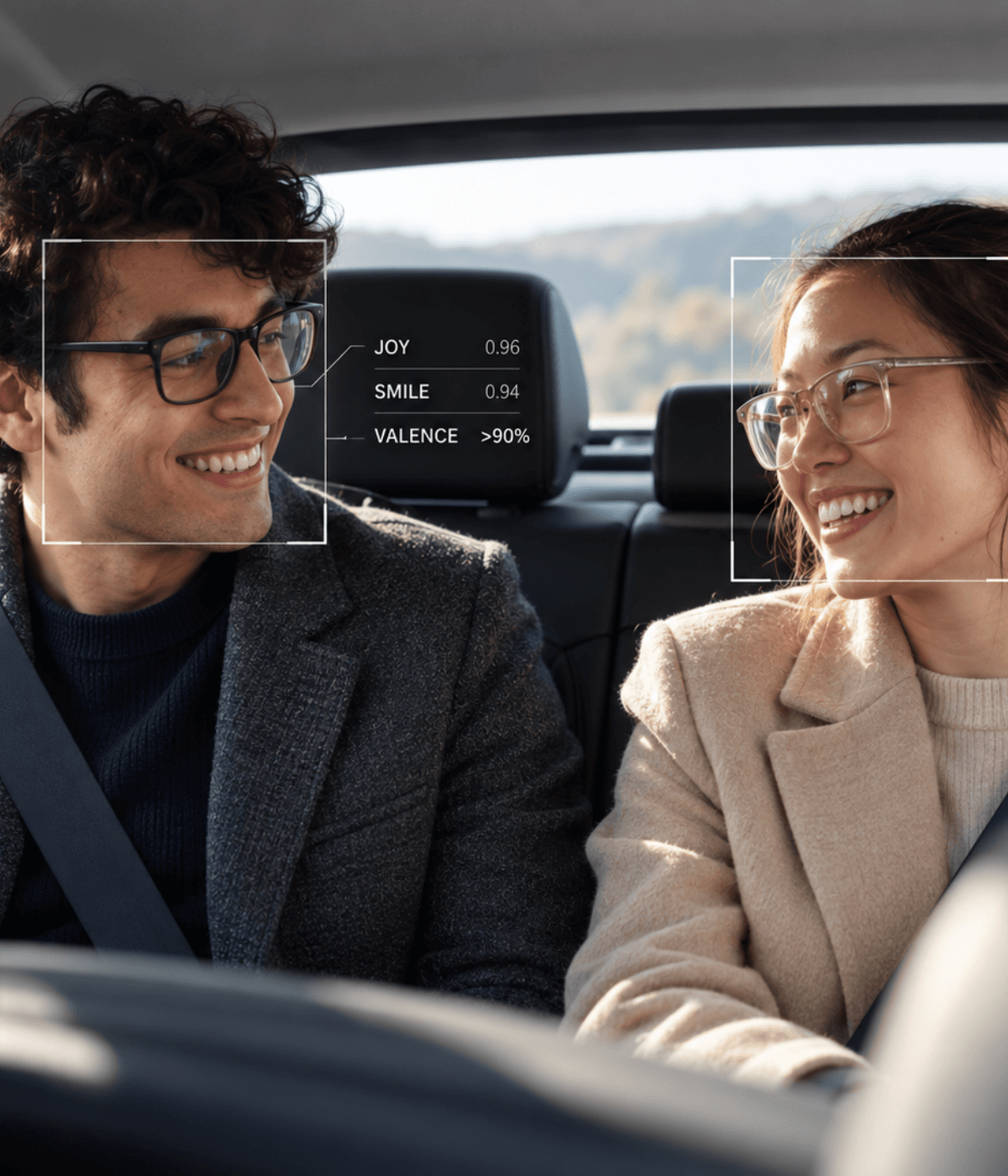
Powered by Affectiva, reads drowsiness, distraction, mood and reactions across the cabin, including how occupants respond to content such as music or video.
Recognizes what occupants are doing and holding, flags bags, phones and other objects left behind, and detects hand gestures for controlling in-vehicle interfaces.
What it enables
Improved road safety
A fuller view of the cabin can help detect a child or pet left in a hot car, track seatbelt use and inform airbag deployment. It can also reveal what’s drawing the driver’s attention from the road.

Enhanced mobility experiences
Temperature, lighting, seating and entertainment can adapt in real time to the physical, emotional and cognitive state of the people inside. The ride becomes an experience shaped around them.
Built for embedded deployment
Our CMS runs on the same automotive-grade foundation as our Driver Monitoring System. Built on Human Insight AI and real-world automotive data, our software runs on-device and performs reliably across lighting conditions, hardware, and vehicle types. The SDK is the standardized entry point for technical teams to evaluate, integrate, and deploy it.
Go deeper
Cabin monitoring is emerging as the natural evolution of driver monitoring.
Our interior sensing e-book walks through what it means for road safety, personalized mobility, and technical innovation.
Built on proven technology
25+
years of automotive experience
24
OEMs
CES 2022
Innovation Awards Honoree for Interior Sensing Software
Explore more in automotive
Talk to our automotive team about integrating human understanding into your next vehicle program.
Cabin Monitoring System FAQ
Cabin monitoring uses the same core technology as our Driver Monitoring System and extends it from the driver to the whole cabin. Driver monitoring reads the driver’s state and behavior; cabin monitoring adds every occupant, their state, and the objects around them — so a program can start with driver monitoring and grow into full cabin sensing on the same foundation.
It depends on the vehicle. Many programs pair a driver-facing camera for driver monitoring with a wider cabin camera mounted higher up, such as in the rear-view mirror or roof. A cabin camera can also support driver monitoring on its own. Our software is hardware-agnostic, so it fits the platform’s required camera setup.
It supports child presence detection to help prevent heatstroke, occupancy and classification that inform airbag deployment, seatbelt detection, out-of-position detection such as feet on the dashboard, and object-left-behind detection, alongside driver distraction, drowsiness, and hands-on-wheel detection.
Yes. Beyond detecting who and where occupants are, facial expression analysis lets the system read nuanced emotional and cognitive states — mood and reactions — which support both safety responses and comfort and well-being features.
Occupant-focused safety features such as child-presence detection are moving into vehicle safety-rating roadmaps, which is accelerating adoption alongside driver monitoring. Our software is built to meet the automotive safety standards these programs require.
By reading the state and preferences of the people in the cabin, it can adjust temperature, lighting, seating and entertainment in real time — turning the interior into an environment that adapts to its occupants.
In most automotive usage, yes. Both describe camera-based monitoring of people and objects in the cabin beyond the driver. Smart Eye uses CMS alongside DMS for the driver; together, they make up interior sensing, also known as in-cabin sensing.