
How it works
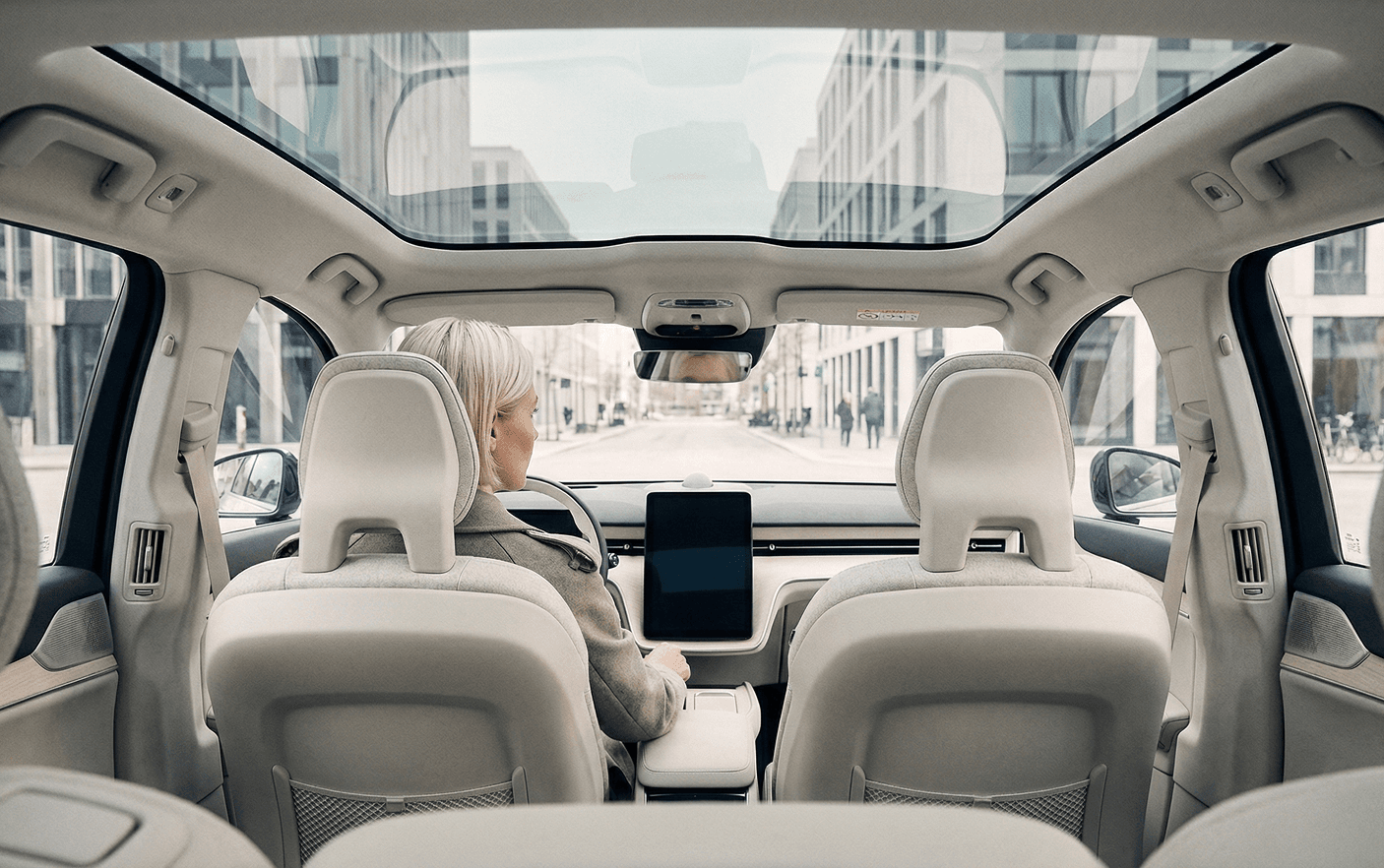
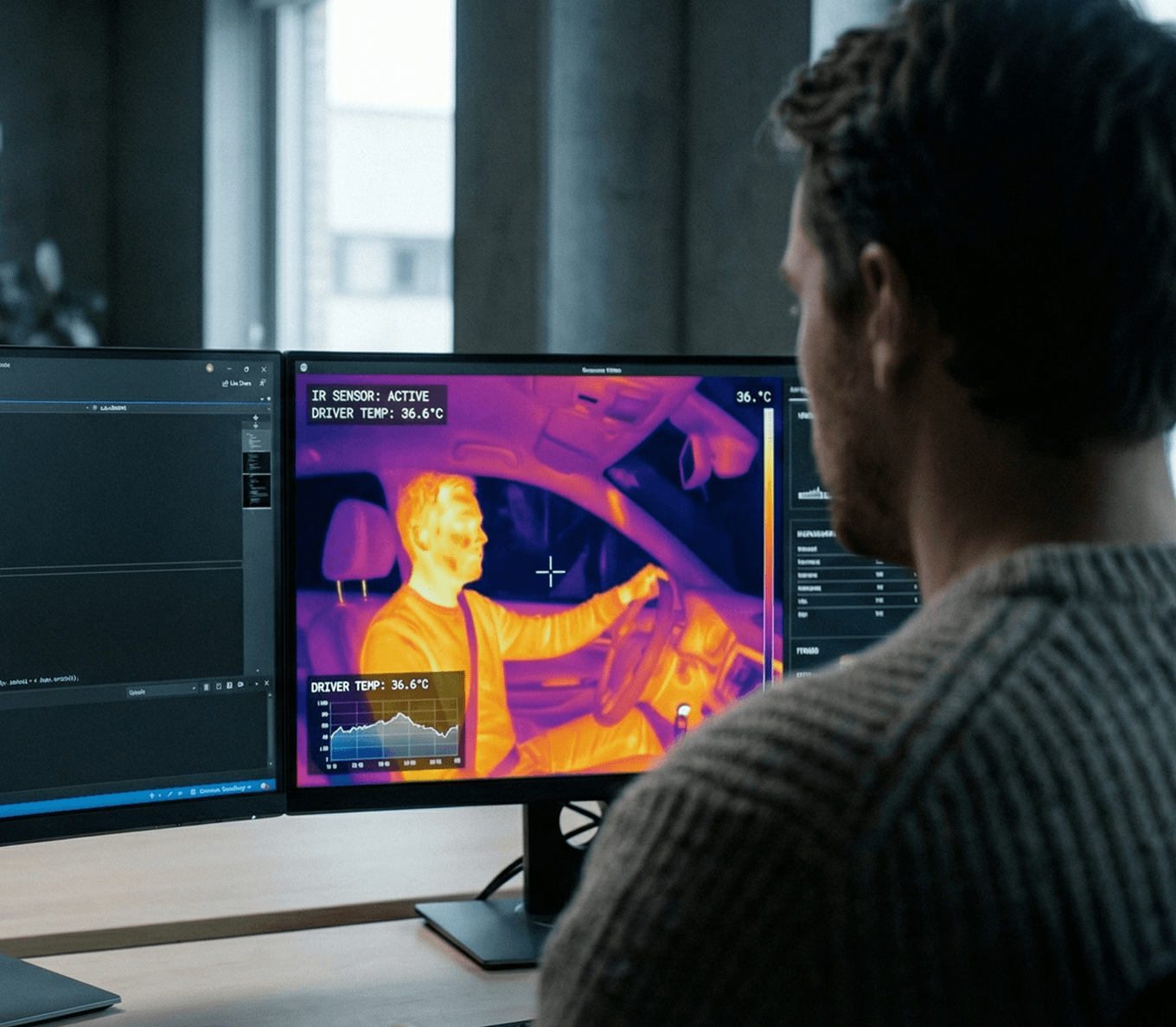
For years, cameras and sensors have helped cars read the road ahead. Interior Sensing turns them inward — pairing driver monitoring with cabin monitoring for a complete view of what’s happening inside the vehicle. Drawing on more than 25 years of driver monitoring software, it sees beyond the driver and extends the intelligence to the entire cabin.

What it detects
Interior Sensing unlocks features for safety, comfort and entertainment.
Recognizes registered drivers and passengers to adjust the car to their preferences.
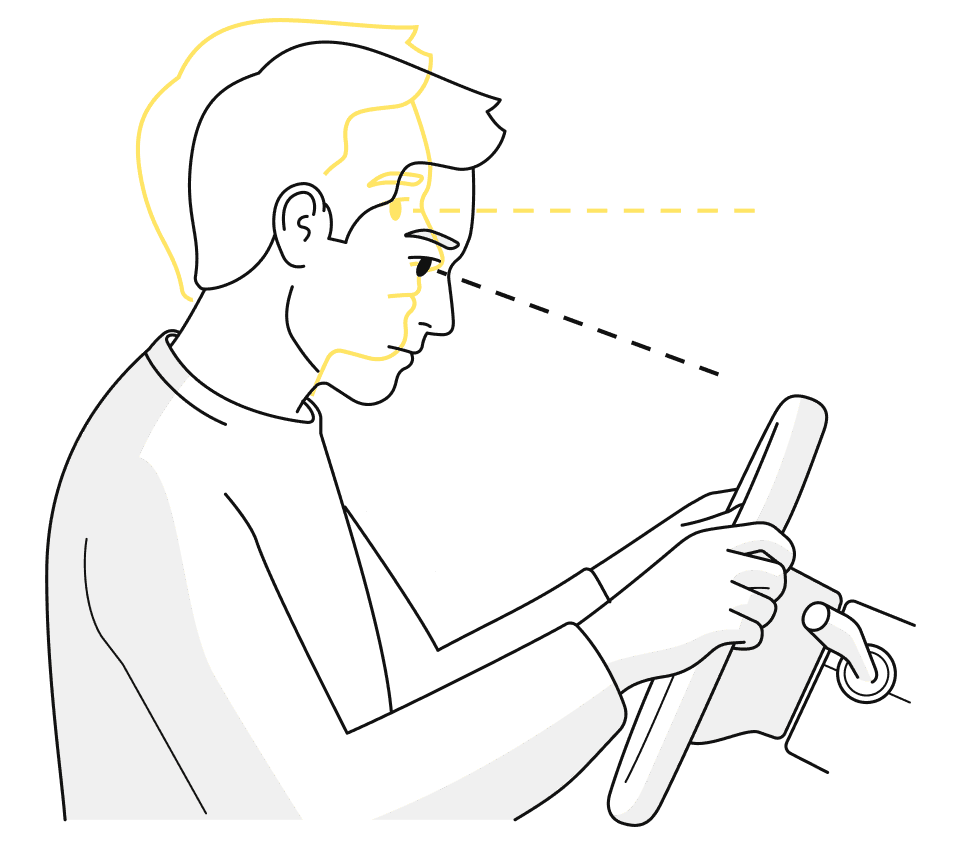
Determines how many people are in the cabin and where they’re seated — including seat position, seatbelt detection and airbag-deployment analysis.
Applies driver monitoring to catch drowsiness or distraction at an early stage.
Detects hand movements for controlling in-vehicle interfaces.
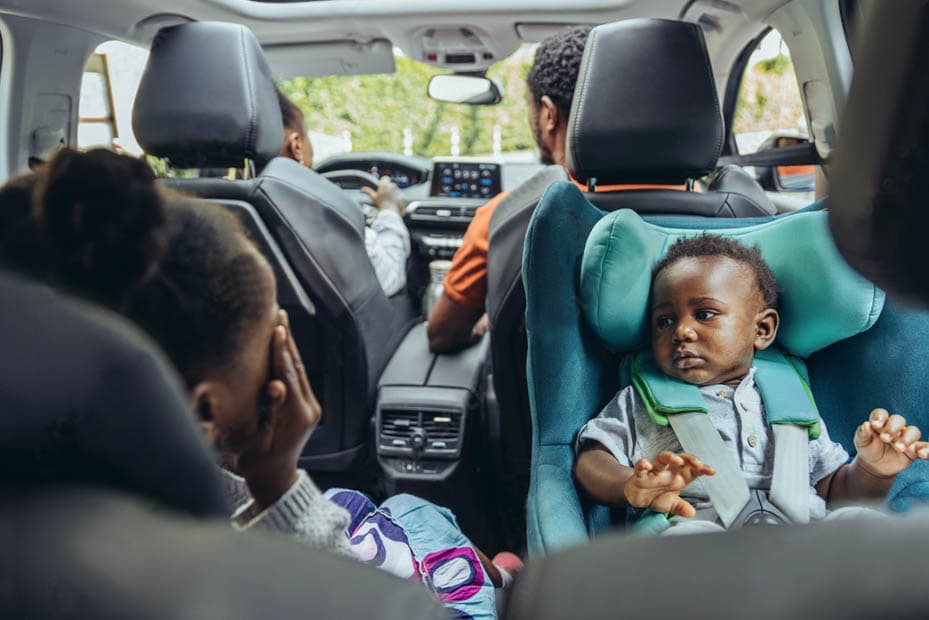
Identifies children in a moving or parked vehicle, helping prevent heatstroke — which causes an average of 38 child deaths a year in the US alone.
Detects bags, phones, and other objects, and whether something has been left behind.
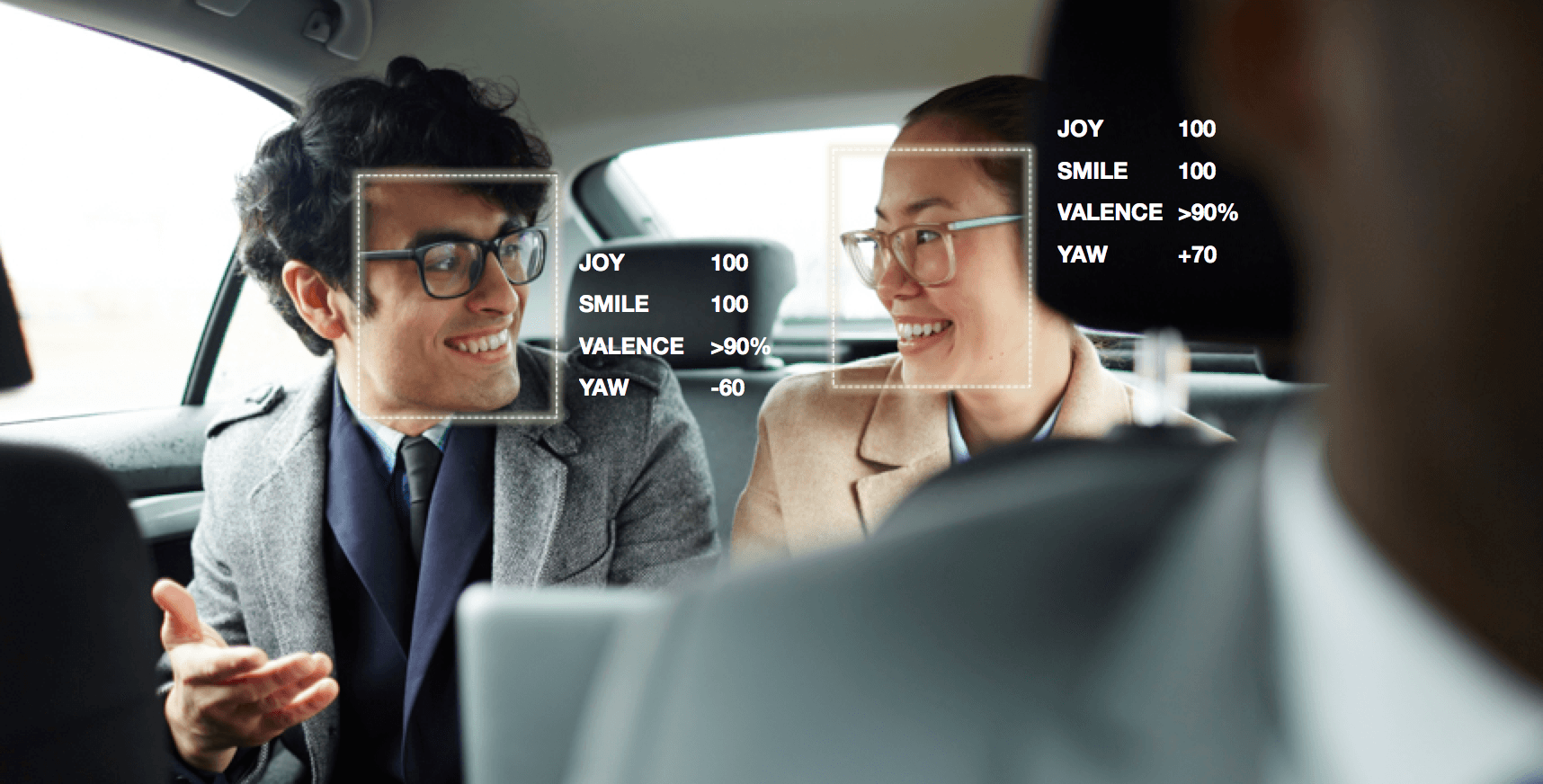
Powered by Affectiva, reads the mood, emotions, and reactions of the people in the car, including how they respond to content such as music or video.
Recognizes activities such as phone use, eating, drinking, or smoking.
What it enables
Improved road safety
From preventing heatstroke in a child or pet left in a hot car to informing airbag deployment and seatbelt use, Interior Sensing is becoming a safety essential in new vehicles. With a complete view of the cabin, it doesn’t just catch distraction — it helps understand what’s pulling the driver’s attention from the road.

Enhanced mobility experiences
By adjusting temperature, lighting, seating and entertainment in real time to the physical, emotional and cognitive state of the people in the cabin, Interior Sensing makes the car more than a way to get somewhere — turning the ride itself into part of the experience.
Built for embedded deployment
Interior Sensing runs on the same automotive-grade foundation as our Driver Monitoring System — developed to ASIL quality, following Automotive SPICE processes, and hardware-agnostic so it fits into any platform. The SDK is the standardized entry point to evaluate, integrate and deploy it.
Go deeper
Interior Sensing is emerging as the natural evolution of driver monitoring.
Our e-book walks through what it means for road safety, personalized mobility, and technical innovation.
Built on proven technology
25+
years of eutomotive experience
24
manufacturers trust Smart Eye driver monitoring and interior sensing
CES 2022
Innovation Award Honoree — Vehicle Intelligence & Transportation
Talk to our automotive team about integrating human understanding into your next vehicle program.
Interior Sensing FAQ
Interior Sensing uses the same core technology as our Driver Monitoring System and extends it from the driver to the whole cabin. Driver monitoring reads the driver’s state and behavior; Interior Sensing adds every occupant, their state and the objects around them — so a program can start with driver monitoring and grow into full cabin sensing on the same foundation.
It builds on the same camera-based, hardware-agnostic technology and can extend a driver-facing setup to cover the cabin, depending on the vehicle and camera configuration. Because it’s flexible on hardware, it’s designed to fit the platform rather than require dedicated equipment.
It supports child-presence detection to help prevent heatstroke, occupancy and seat-position sensing that can inform airbag deployment and seatbelt reminders, and object-left-behind detection — alongside driver distraction and drowsiness. Together these give the vehicle a complete safety view of the cabin.
Yes. Beyond detecting who and where occupants are, facial expression analysis lets the system read nuanced emotional and cognitive states — mood and reactions — which supports both safety responses and comfort and wellbeing features.
Occupant-focused safety features such as child-presence detection are moving into vehicle safety-rating roadmaps, which is accelerating adoption alongside driver monitoring. Our software is built to meet the automotive safety standards these programs require.
By reading the state and preferences of the people in the cabin, it can adjust temperature, lighting, seating and entertainment in real time — turning the interior into an environment that adapts to its occupants.