
仕組み
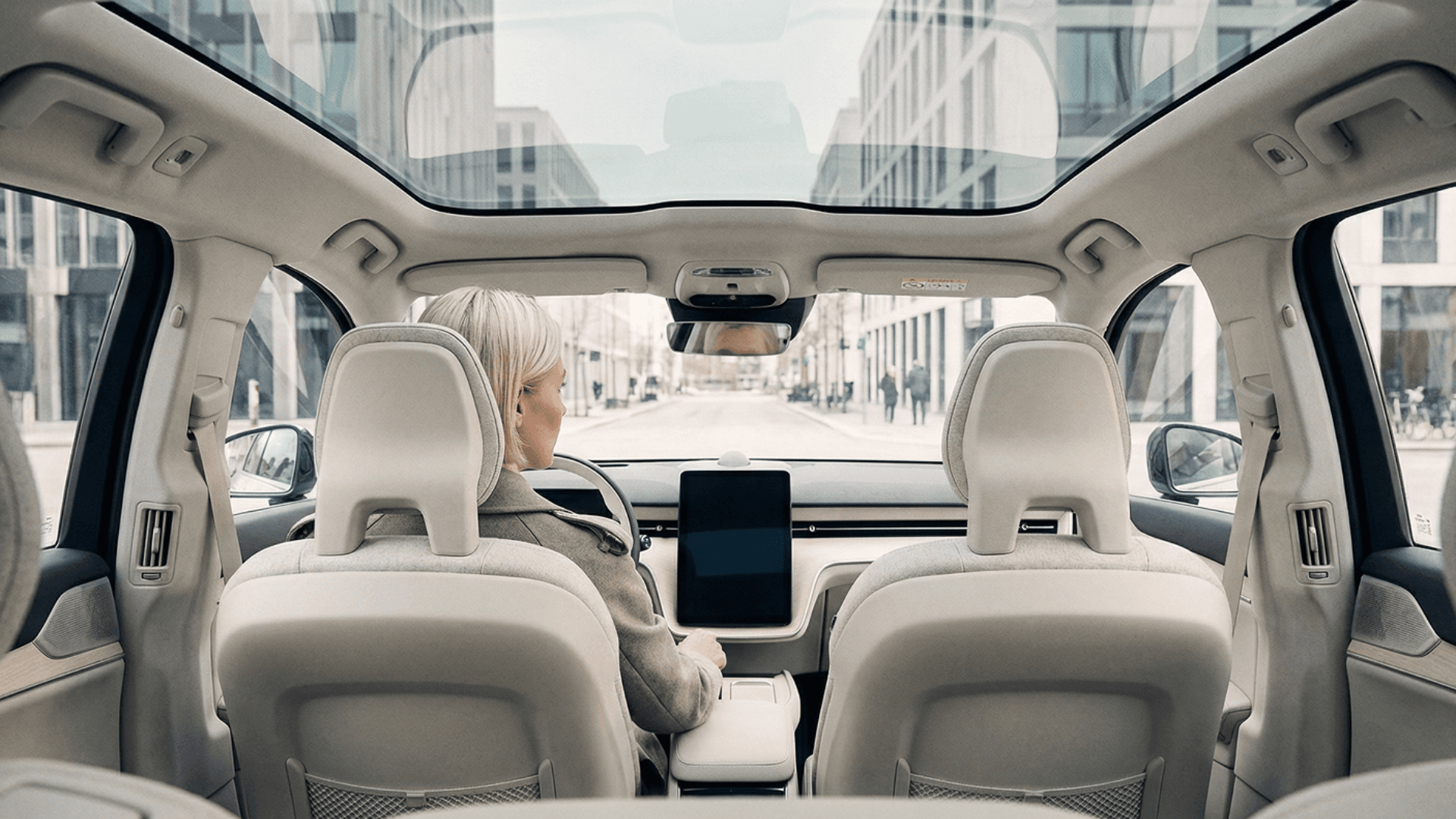
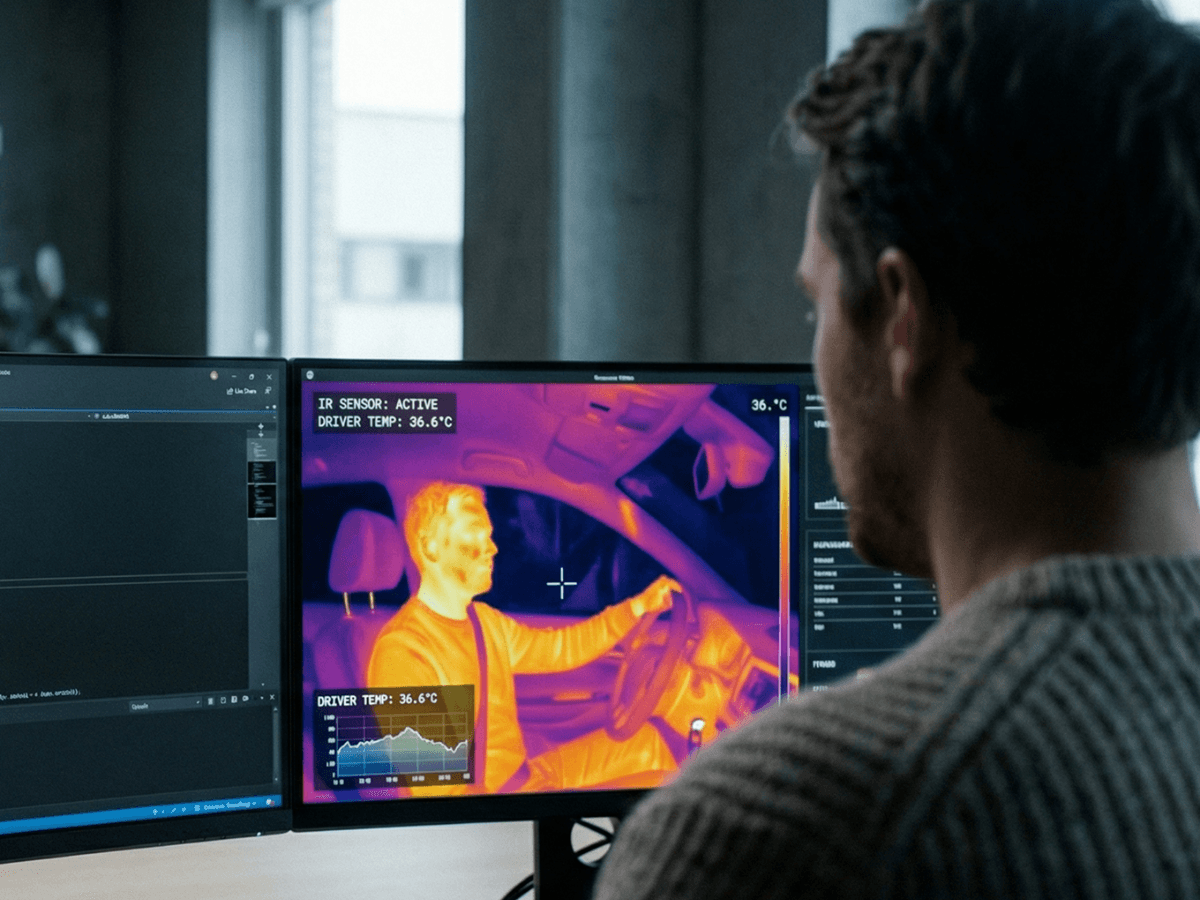
これまで長年にわたり、カメラやセンサーは車両が前方の道路状況を把握するために活用されてきました。インテリアセンシングは、ドライバーモニタリングと車室内モニタリングを組み合わせることで、その視点を車内へと向け、車内で何が起きているのかを包括的に把握します。
25年以上にわたるドライバーモニタリングソフトウェアの知見を活かし、ドライバーの枠を超えて、車室全体へとインテリジェンスを拡張します。
検知できるもの
インテリアセンシングは、安全性、快適性、エンターテインメントを高めるさまざまな機能を実現します。
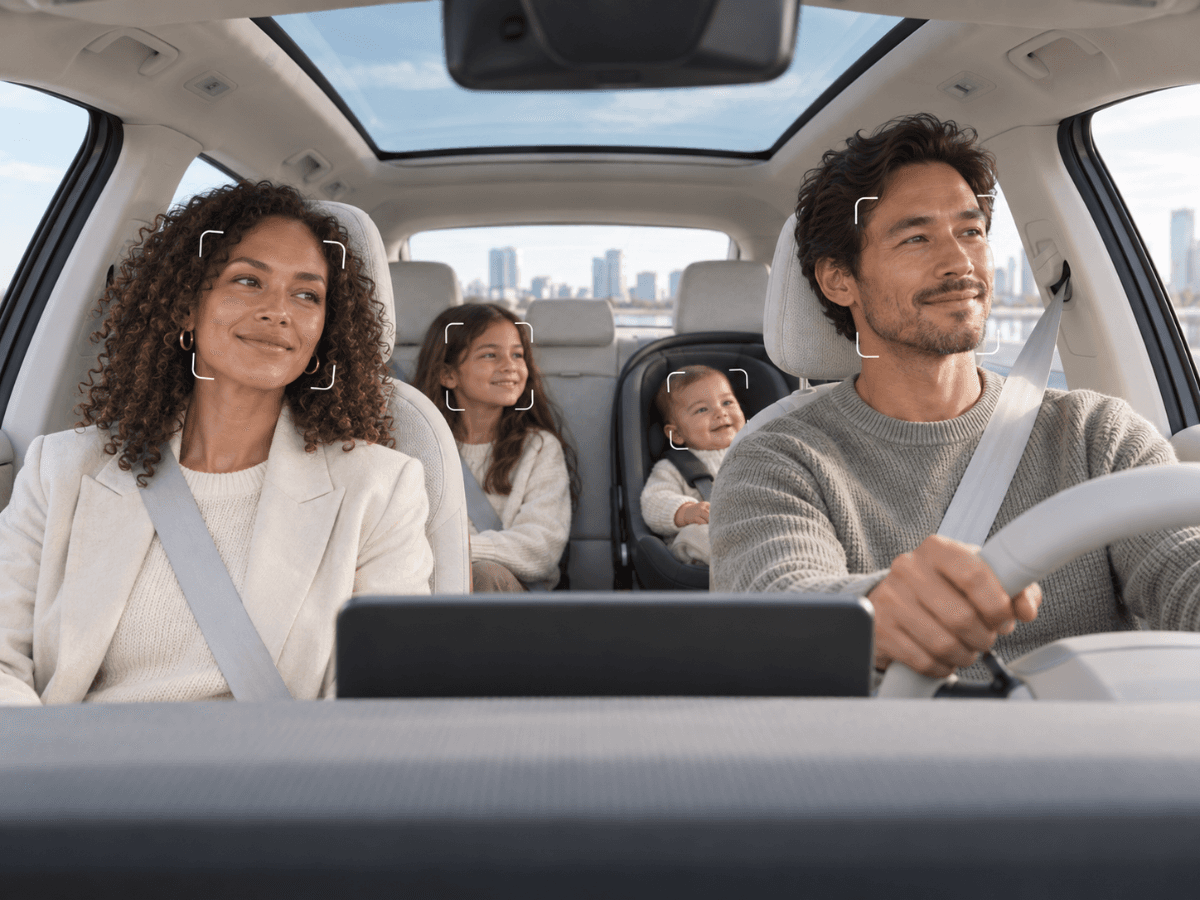
登録されたドライバーや乗員を認識し、それぞれの好みに合わせて車両設定を調整します。
車室内に何人いるのか、どこに座っているのかを把握します。シート位置、シートベルト装着検知、エアバッグ展開に関する分析も含まれます。
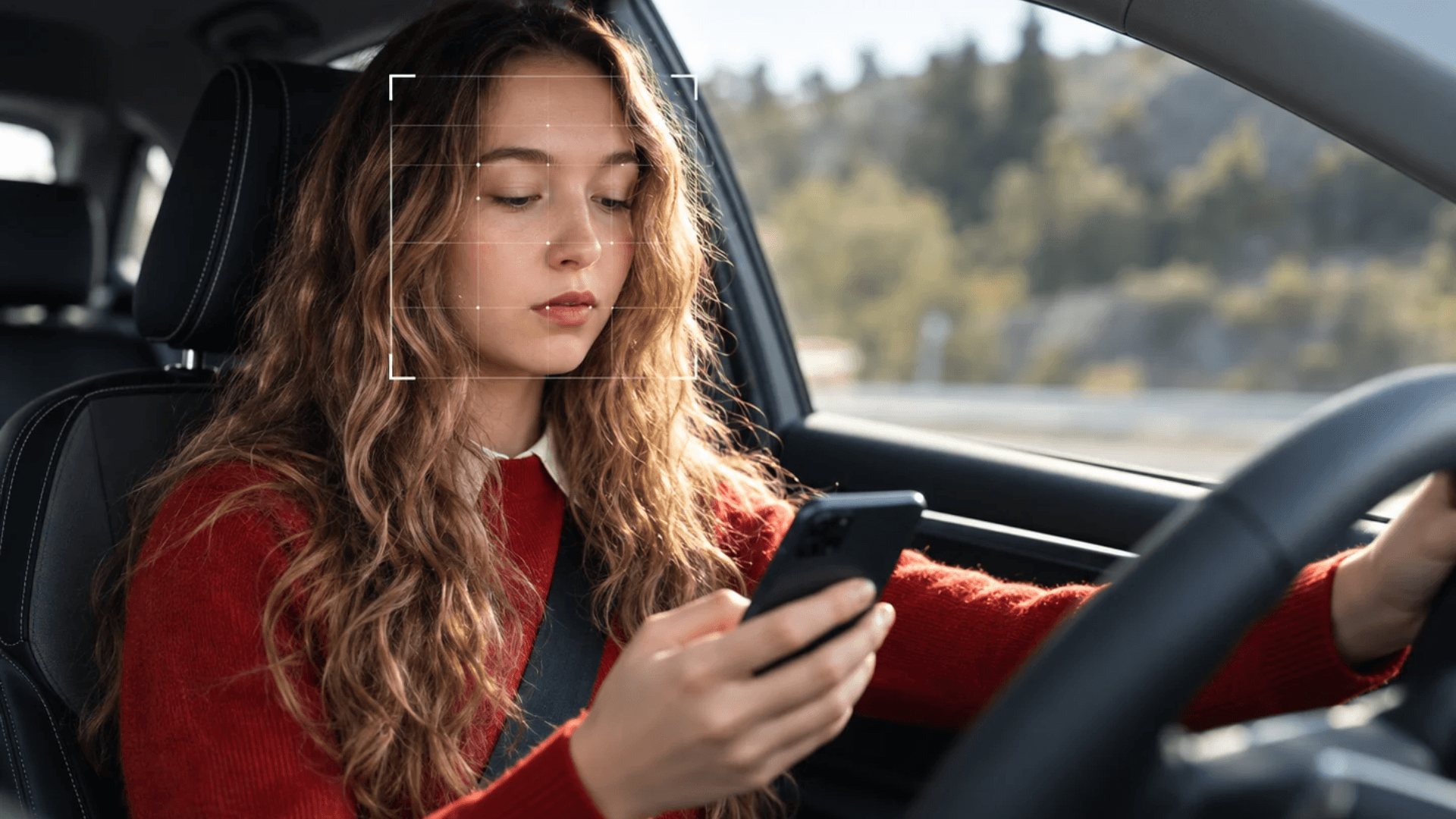
ドライバーモニタリング技術を活用し、眠気や注意散漫を早期に検知します。
車載インターフェースを操作するための手の動きを検知します。
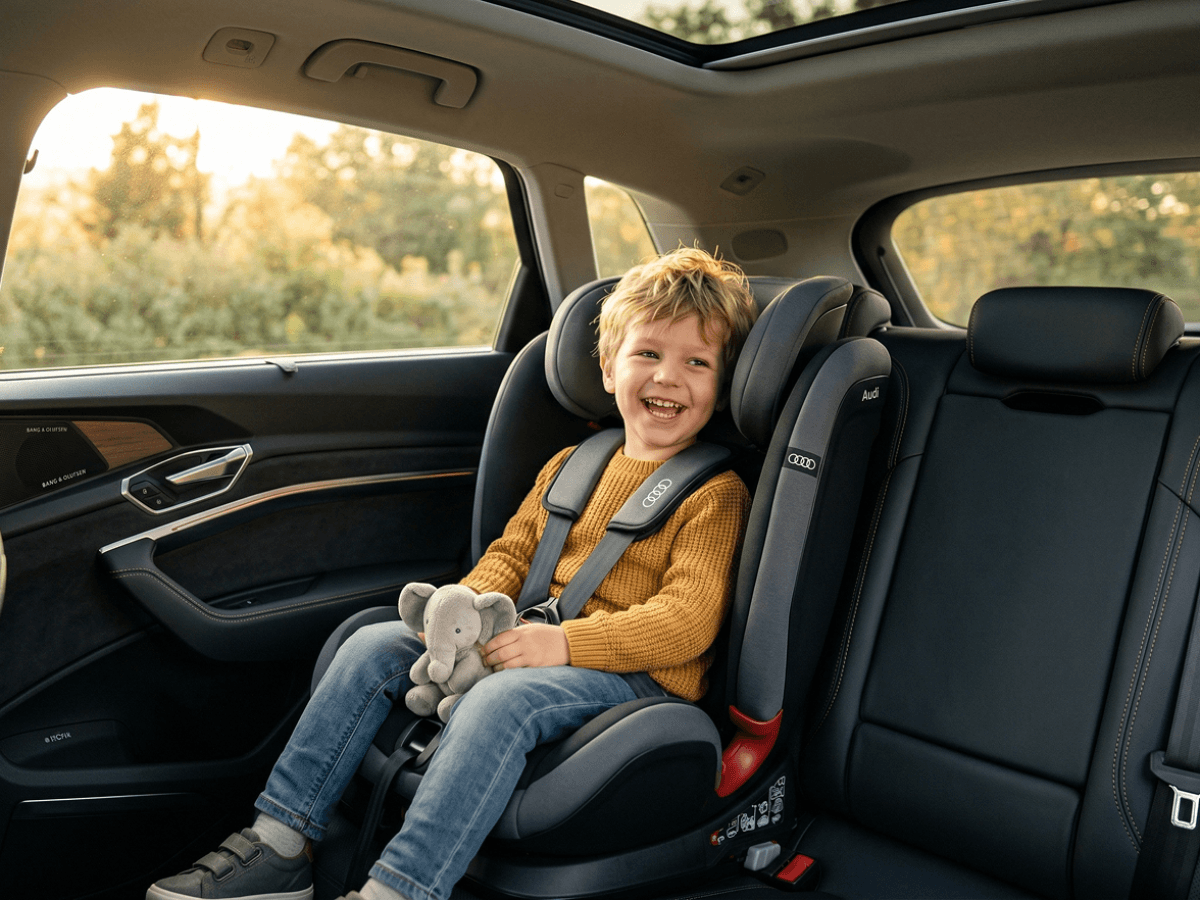
走行中または駐車中の車両内にいる子どもを検知し、熱中症の予防に役立ちます。米国だけでも、車内での熱中症により年間平均38人の子どもが亡くなっています。
バッグ、スマートフォン、その他の物体を検知し、車内に忘れ物が残されていないかも把握します.
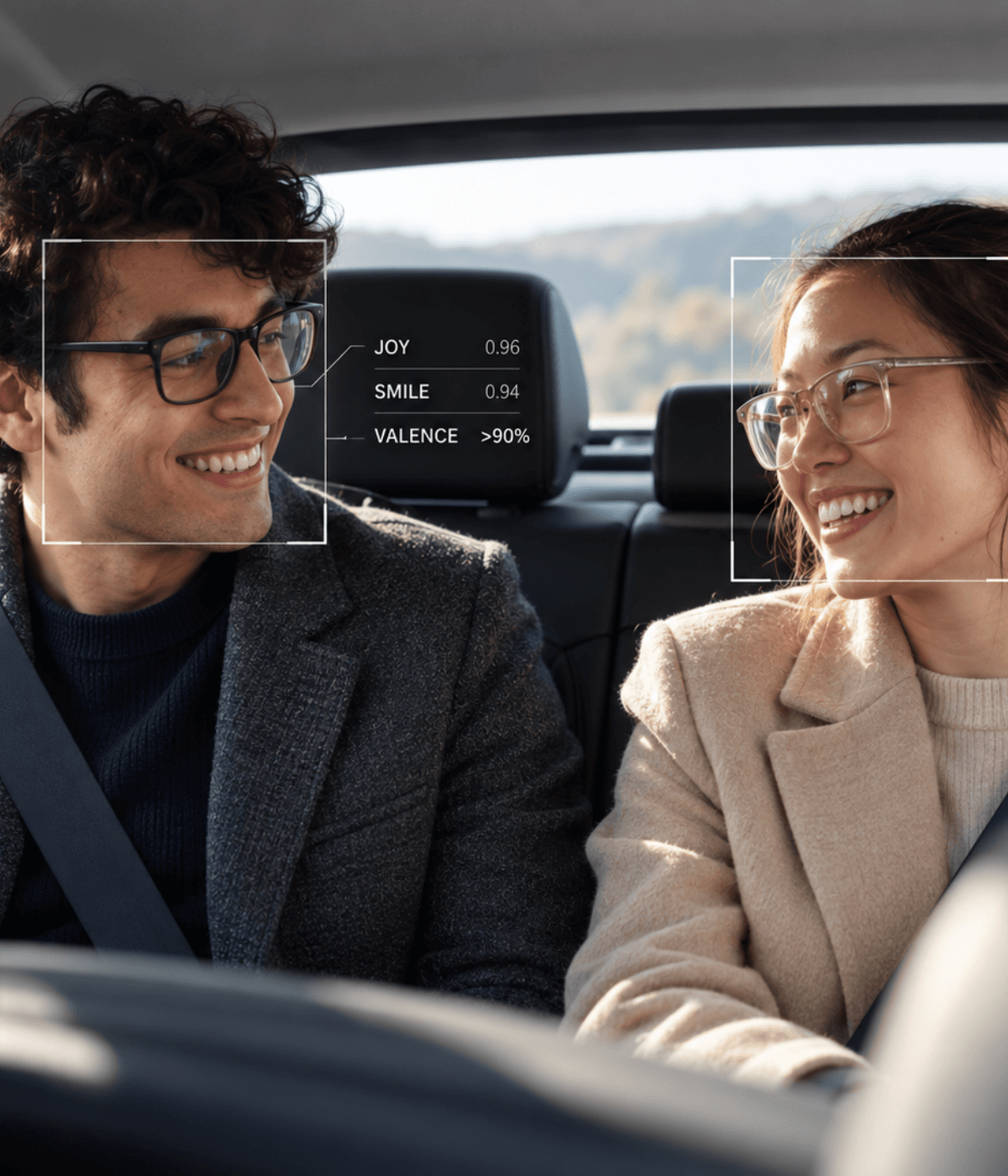
Affectivaの技術を活用し、車内の人々の気分、感情、反応を解析します。音楽や映像などのコンテンツに対する反応も把握できます。
スマートフォンの使用、飲食、喫煙などの行動を認識します。
実現できること
道路安全性の向上
車室全体をより広く把握することで、暑い車内に取り残された子どもやペットの検知、シートベルト使用状況の追跡、エアバッグ展開の判断支援が可能になります。また、ドライバーの注意が道路から何に向いているのかも明らかにできます。
より快適なモビリティ体験
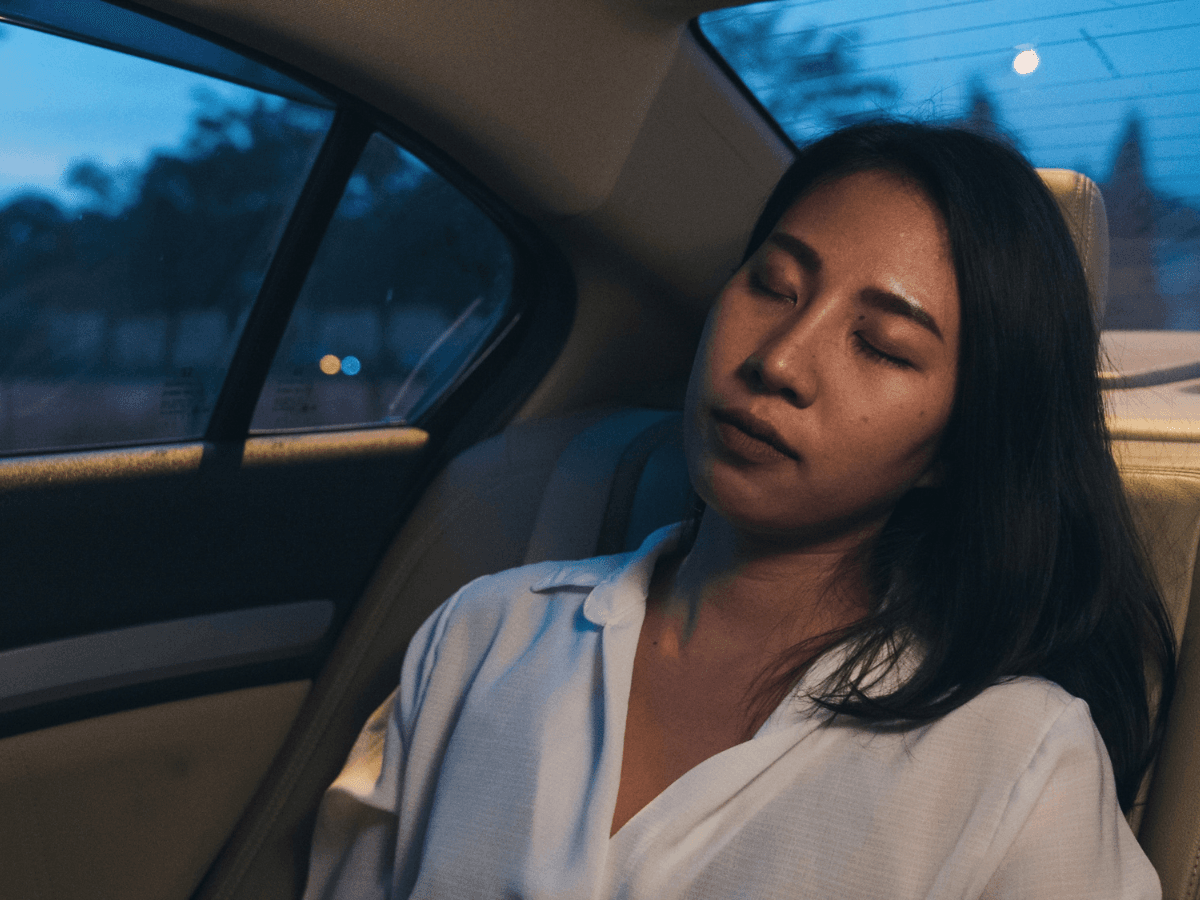
車内の人々の身体的、感情的、認知的な状態に合わせて、温度、照明、シート、エンターテインメントをリアルタイムで調整します。移動そのものが、一人ひとりに寄り添った体験へと変わります。
組み込み環境への実装を前提に設計
インテリアセンシングは、当社のドライバーモニタリングシステムと同じ自動車グレードの技術基盤上で動作します。Human Insight AIと実車の自動車データを基盤に構築された当社ソフトウェアは、デバイス上で動作し、照明条件、ハードウェア、車種を問わず安定して高い信頼性を発揮します。SDKは、技術チームが評価、統合、実装を行うための標準的な入口となります。
さらに詳しく
インテリアセンシングは、ドライバーモニタリングの自然な進化形として注目されています。
このeBookでは、道路安全、パーソナライズされたモビリティ、技術革新にとってインテリアセンシングがどのような意味を持つのかをご紹介します。
実績ある技術を基盤に
25+
years of automotive experience
24
OEMs
CES 2022
Innovation Awards Honoree for Interior Sensing Software
次の車両プログラムに人への理解を組み込む方法について、Smart Eyeの自動車チームにご相談ください。
Talk to our automotive team about integrating human understanding into your next vehicle program.
Cabin Monitoring System FAQ
Cabin monitoring uses the same core technology as our Driver Monitoring System and extends it from the driver to the whole cabin. Driver monitoring reads the driver’s state and behavior; cabin monitoring adds every occupant, their state, and the objects around them — so a program can start with driver monitoring and grow into full cabin sensing on the same foundation.
It depends on the vehicle. Many programs pair a driver-facing camera for driver monitoring with a wider cabin camera mounted higher up, such as in the rear-view mirror or roof. A cabin camera can also support driver monitoring on its own. Our software is hardware-agnostic, so it fits the platform’s required camera setup.
It supports child presence detection to help prevent heatstroke, occupancy and classification that inform airbag deployment, seatbelt detection, out-of-position detection such as feet on the dashboard, and object-left-behind detection, alongside driver distraction, drowsiness, and hands-on-wheel detection.
Yes. Beyond detecting who and where occupants are, facial expression analysis lets the system read nuanced emotional and cognitive states — mood and reactions — which support both safety responses and comfort and well-being features.
Occupant-focused safety features such as child-presence detection are moving into vehicle safety-rating roadmaps, which is accelerating adoption alongside driver monitoring. Our software is built to meet the automotive safety standards these programs require.
By reading the state and preferences of the people in the cabin, it can adjust temperature, lighting, seating and entertainment in real time — turning the interior into an environment that adapts to its occupants.
In most automotive usage, yes. Both describe camera-based monitoring of people and objects in the cabin beyond the driver. Smart Eye uses CMS alongside DMS for the driver; together, they make up interior sensing, also known as in-cabin sensing.