
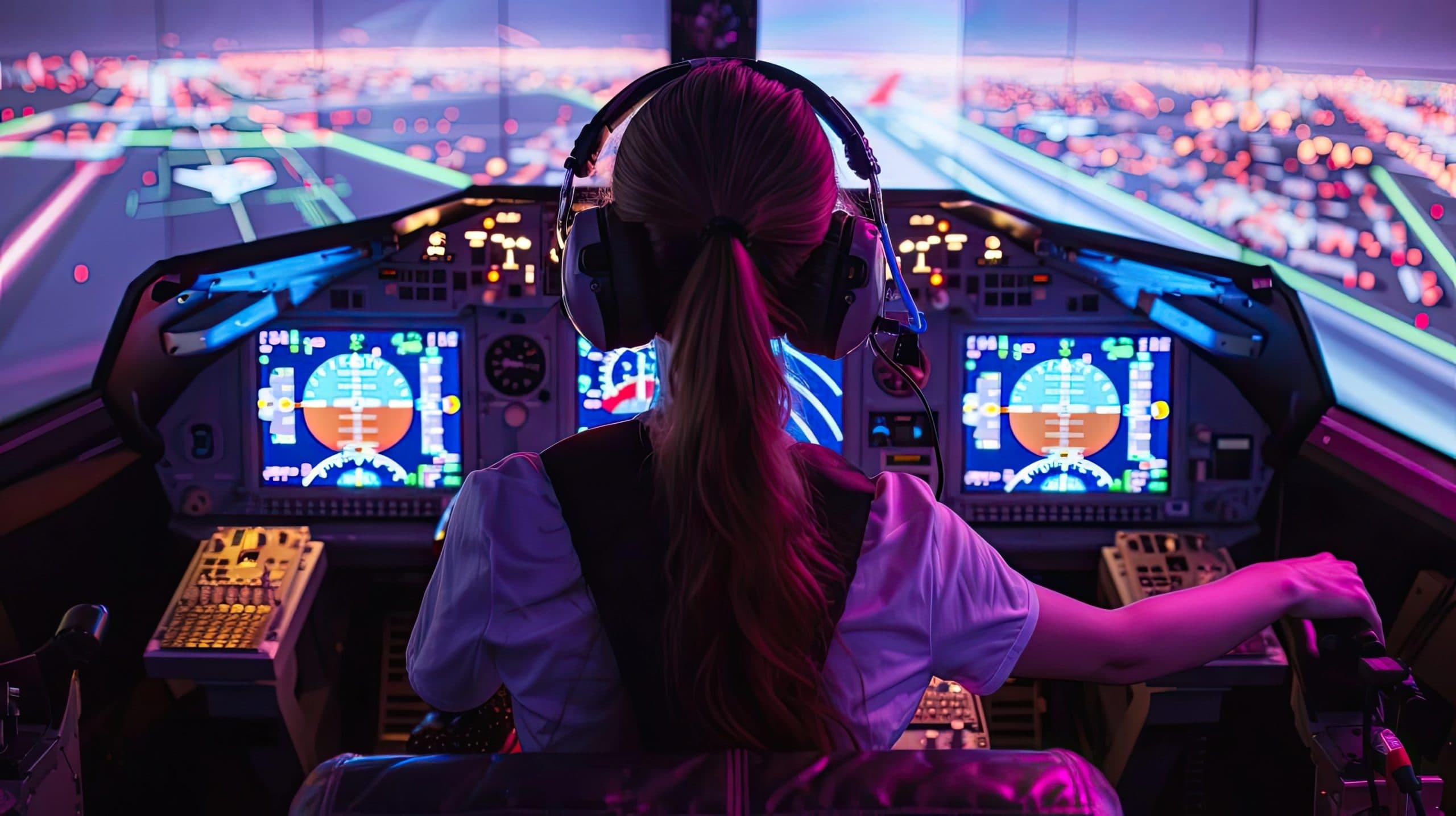
Training spans the industries where attention and fast, accurate decisions carry real consequence. In each, eye tracking turns how operators look and respond into evidence instructors can act on.
Aviation
How a pilot distributes attention across instruments, displays and the outside view is central to safety. Eye tracking makes scanning technique visible, so instructors can teach and correct it directly — in the simulator and on the flight deck.
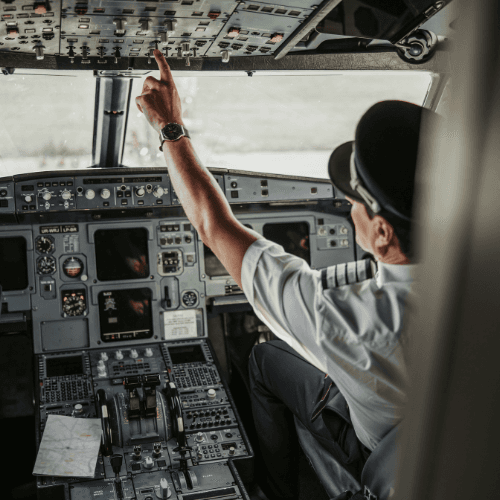
See how trainees move attention across the flight deck and catch scanning errors before they become habits.
Measure where focus goes as task demands rise, and how trainees cope under pressure.
Study how pilots perceive and respond to automation, including where attention drifts.
Replay gaze alongside simulator data so feedback is grounded in what actually happened.
Air Traffic Control
Controllers move constantly between radar, flight data and communications, managing attention across increasingly crowded skies. Eye tracking captures how they distribute and shift attention during training — evidence of scanning behavior, workload and situational awareness that instructors can review live and in the debrief.
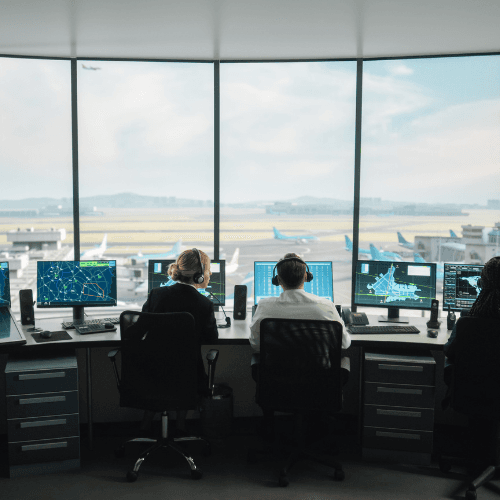
See how controllers move attention across displays, and where it lingers or lapses.
Read the signs of high task load before they affect performance.
Assess whether critical information stays in view as traffic builds.
Give instructors consistent, objective evidence across trainees and sessions.
Automotive
In driver training and human-factors work, eye tracking shows where a driver looks, what they miss, and how attention shifts with the task — across instrumented vehicles and motion-based simulators.
See whether trainees scan for and register hazards in time.
Measure how attention moves between the road, mirrors, displays and controls.
Understand how drivers engage with in-vehicle systems, and where they take their eyes off the road.
Track how attention and responsiveness develop across a training program.
Rail & Tram
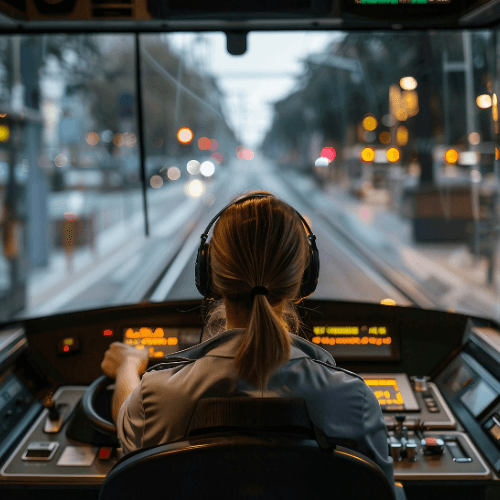
For train and tram drivers, missing a signal or losing awareness of the track ahead carries real consequences. Eye tracking shows how drivers scan the route and respond to signals in simulator training.
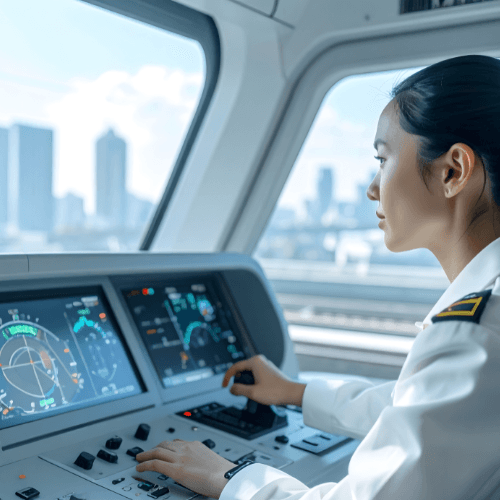
See whether drivers detect and act on signals in time.
Understand how attention moves across the track, cab displays and surroundings.
Spot where awareness drops during long or repetitive runs.
Power & Utility Operations
Control-room operators monitor large arrays of displays where a missed indicator can escalate quickly. Eye tracking shows how operators distribute attention and hold awareness during training scenarios.
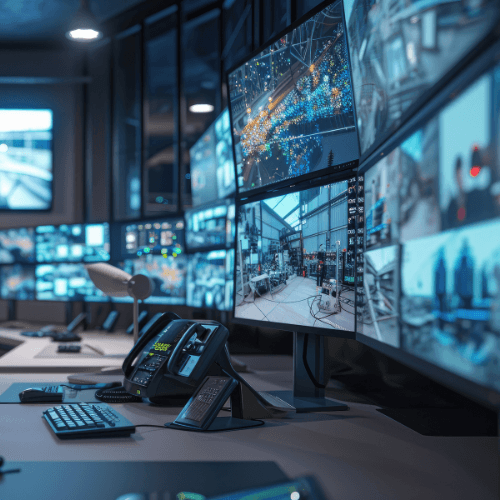
See which indicators get attention and which are missed.
Measure how quickly operators detect and act on abnormal conditions.
Understand how attention holds up during complex, high-load scenarios.
Eye tracking can show where and when a trainee looks, helping instructors get clear evidence of how information is perceived, prioritized, and acted on under pressure.
Attention analysis
See where a trainee looks and how attention shifts as demands change.
See where a trainee looks and how attention shifts as demands change.
Performance evaluation
Turn observed behavior into measurable performance data.
Turn observed behavior into measurable performance data.
Instructor support
Give instructors real-time cues and clear material for debrief.
Give instructors real-time cues and clear material for debrief.
Training optimization
Accelerate learning and improve outcomes with evidence.
Accelerate learning and improve outcomes with evidence.
What eye tracking adds to training
The basis of modern training frameworks, such as Evidence-Based Training (EBT) and Competency-Based Training and Assessment (CBTA), combined with eye tracking, replaces assumptions with measurable proof — whether a pilot recognized a warning in time, whether a controller kept key information in view, or how efficiently attention was distributed across displays.
Training instruments
Training runs on our remote eye-tracking systems, matched to your environment and platform.
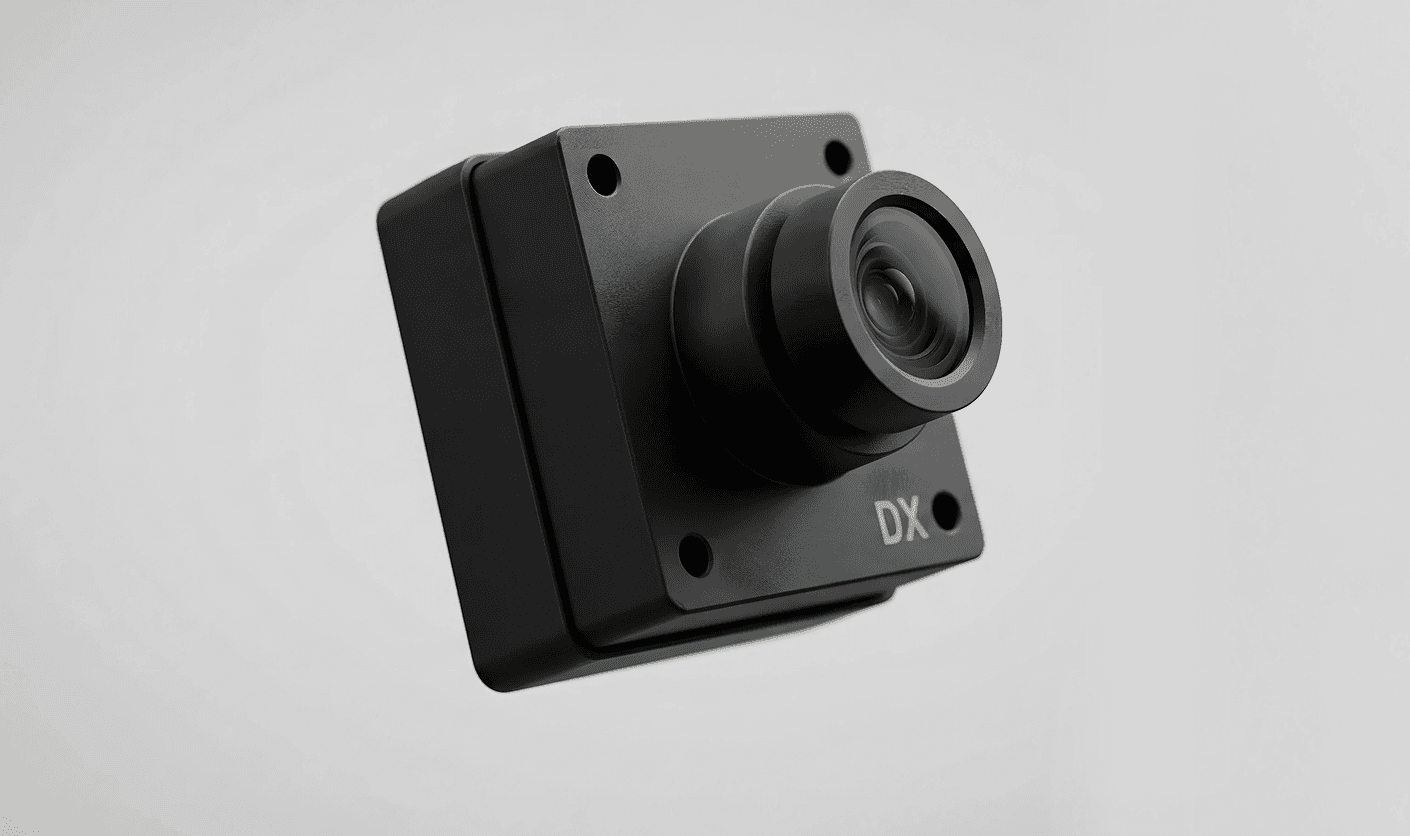
Smart Eye Pro —
Our flagship remote system for demanding, multi-screen and simulator environments, including long-range tracking.
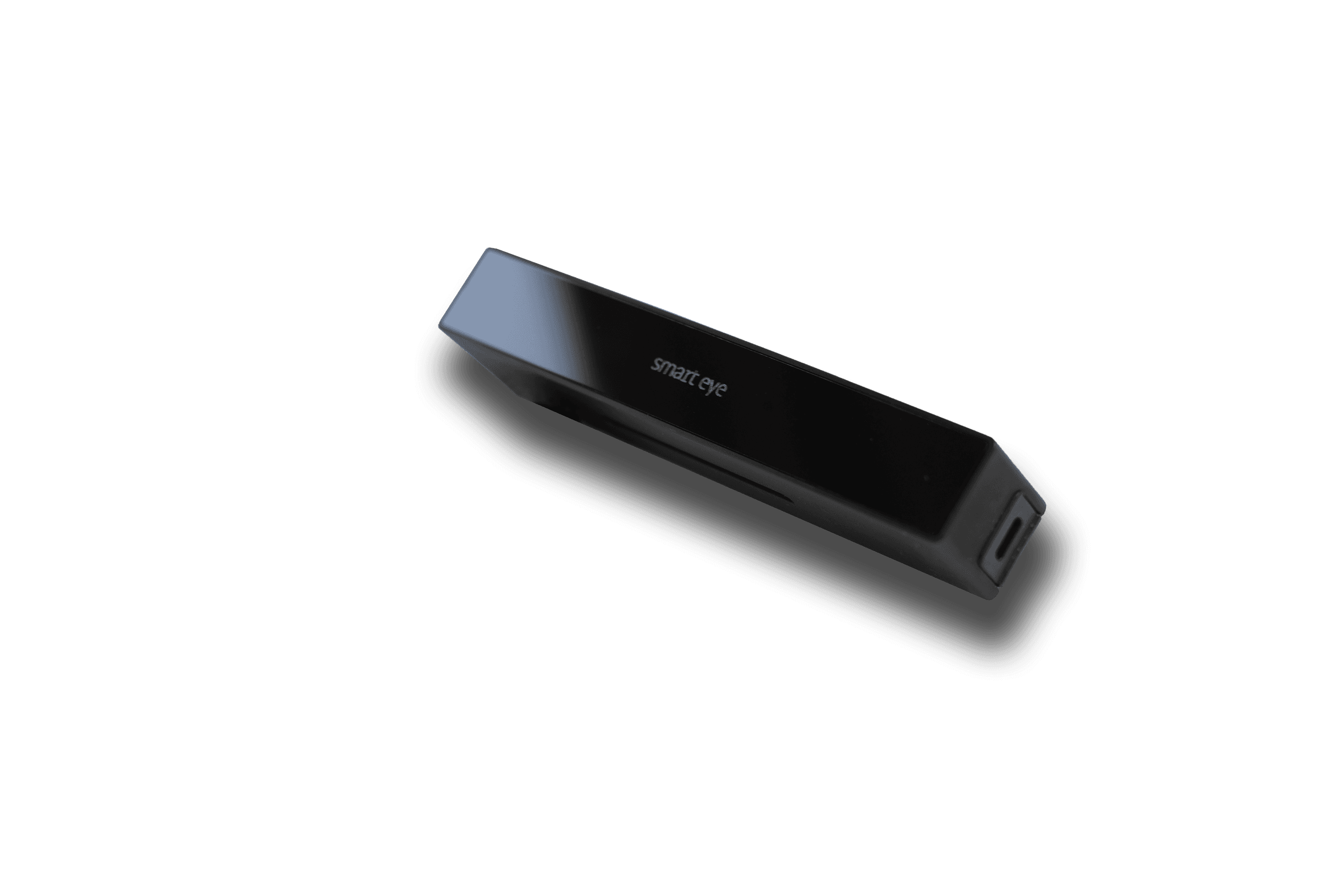
Aurora
Our smallest remote tracker — easy to move between setups and to synchronize with other sensors.
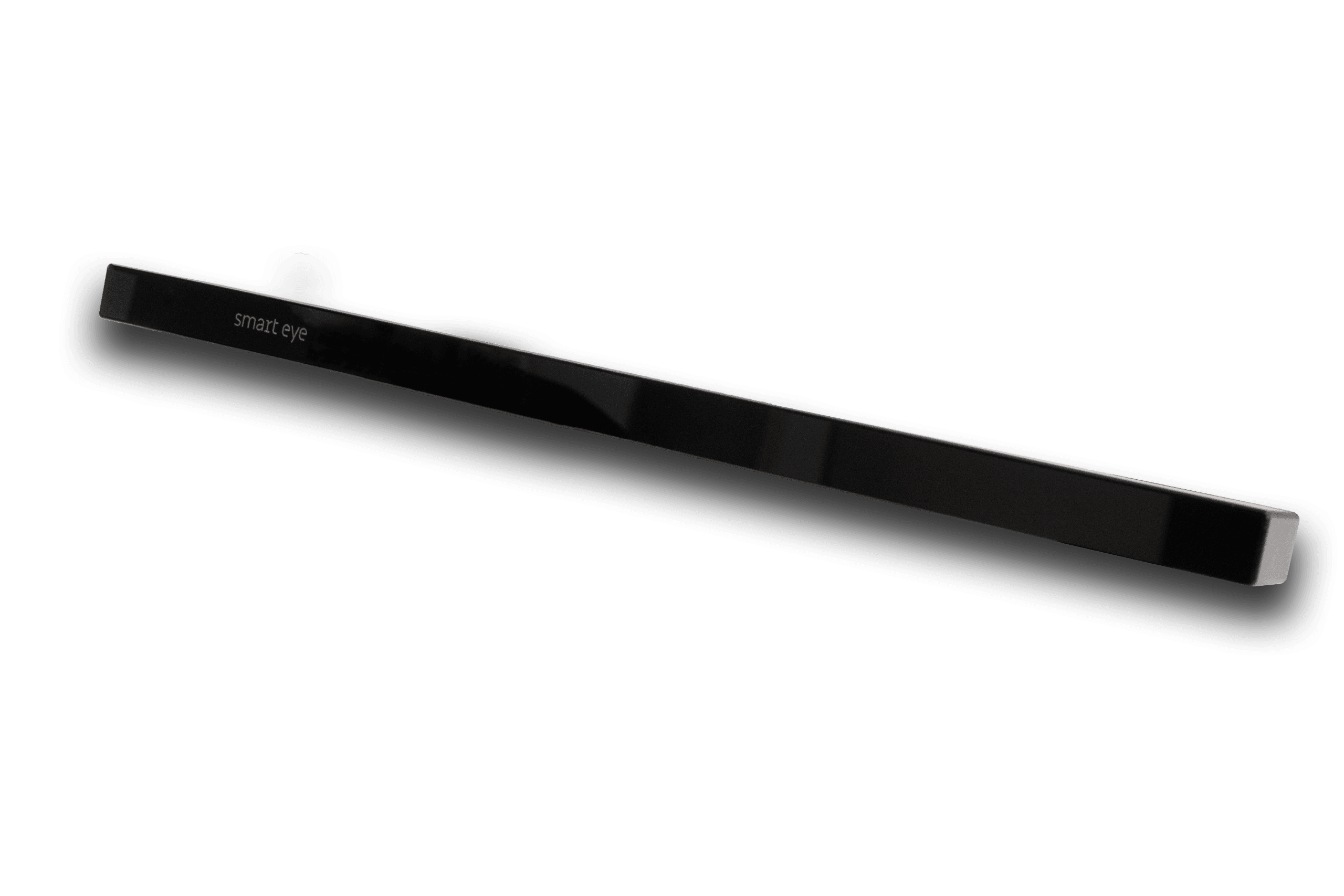
XO
Remote system that combines dual-camera durability with Smart Eye Pro software.
Bring attention data into your training program. Tell us how you train and our team will help you find the right setup.
Training FAQ
Smart Eye provides the tracking foundation — remote cameras, infrared illumination and high-precision software — designed to fit into professional training systems rather than replace them. The gaze data is time-synchronized with simulator events, video and system logs and passed to iMotions or a compatible tool, so attention data sits alongside the simulator metrics instructors already use. Because the hardware is small and remote, it installs unobtrusively in a cockpit, cabin or multi-screen control room.
During a session, instructors can see where a trainee is looking in real time — shown as gaze points and scan paths — along with workload indicators and cues when behavior deviates from the expected pattern. In the debrief, recorded gaze, video and simulator data are available together, so an instructor can replay exactly what a trainee looked at, in what order, and drill into specific moments. That turns feedback from subjective impression into evidence a trainee can see for themselves.
Yes. Simulators are one of the harder environments for eye tracking — reflections, screen glare, changing light and head movement can defeat lesser systems. Our remote setup uses multiple cameras and infrared illumination and tracks each eye separately, so it records accurate gaze even in those conditions, in real time and for later review.
Yes. Controllers manage attention across radar, flight data and communications under constant time pressure, and eye tracking captures how they distribute and shift that attention during training. It gives instructors objective evidence of scanning behavior, workload and situational awareness — whether critical information stayed in view as traffic built — that they can review live and in the debrief.
Smart Eye supplies reliable real-time gaze data; analysis and visualization run in iMotions or a partner tool, which turns it into scan paths, heatmaps and workload indicators and can compare actual behavior against an expected scan pattern. Instructors review those visualizations alongside simulator data to assess situational awareness, workload and overall performance, and to guide a targeted debrief.