
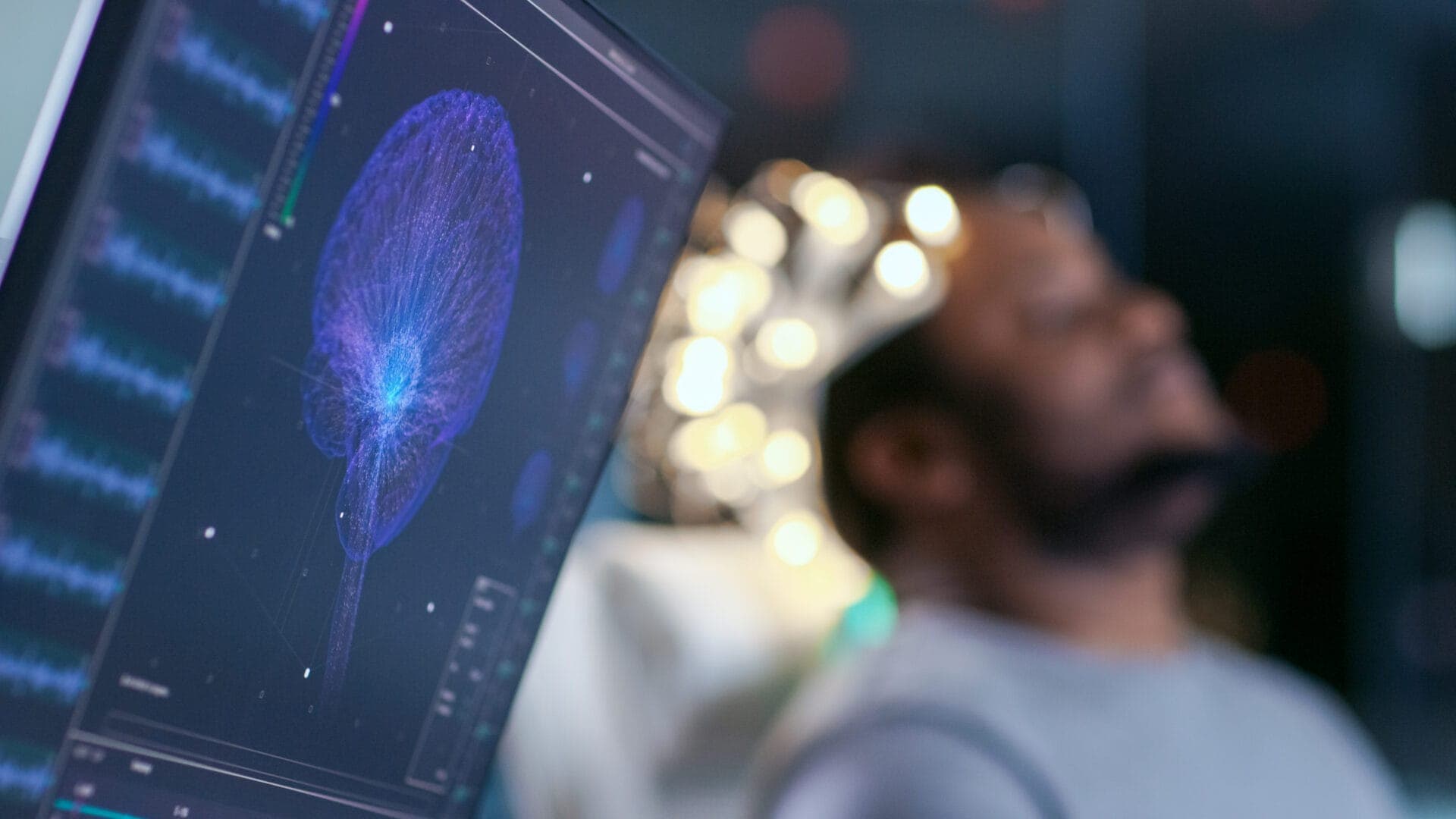
For every research environment. Across industries and fields where understanding human behavior matters most.
Automotive Research
Understand how drivers see, think and respond in real-world conditions — and how they interact with the systems around them. Our eye and head tracking helps manufacturers and researchers test and refine the dashboards, interiors and interfaces of tomorrow’s vehicles, across instrumented vehicles and motion-based simulators.
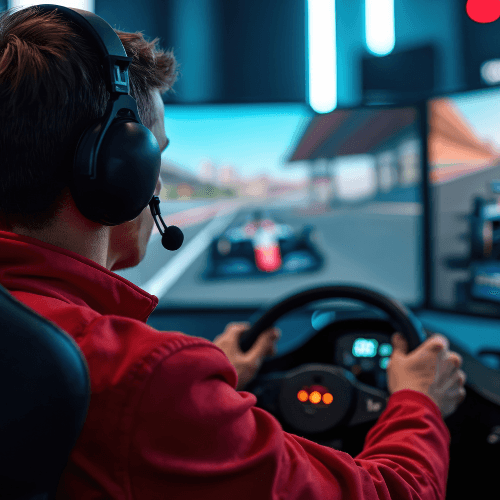
Understand how drivers see, think and respond in real conditions — where they look, what they miss, and how attention shifts as demands change.
Analyze how drivers engage with displays, controls, and vehicle systems, so interfaces can be made more usable and less distracting.
Measure attention, cognitive workload and responsiveness to understand what helps or hinders safe driving.
Turn behavioral evidence into intuitive interfaces, informing safer dashboards, interiors and interactions.
Aviation & Aerospace
By tracking gaze, head movement, pupillometry and eyelid behavior, our systems support human-factors research, pilot monitoring and pilot training — helping catch scanning errors before they become incidents, on the ground and in the air. NASA uses our technology in its flight deck simulators.
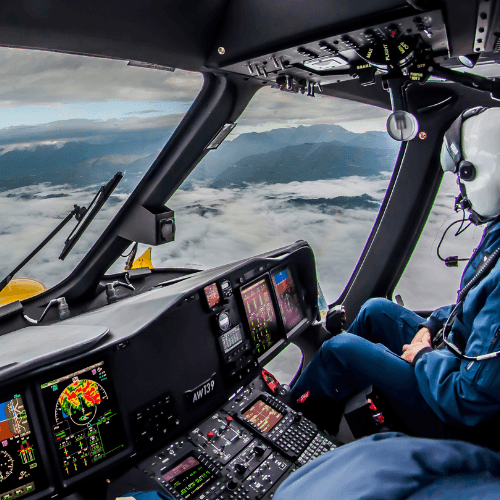
Analyze how pilots perceive and respond to automation, studying spatial disorientation, workload, and performance safely and accurately.
Detect scanning errors, distraction and drowsiness — nearly half of aviation incidents trace back to inadequate cockpit scanning.
Give instructors real-time insight into a trainee’s focus, attention patterns and reaction times, so scanning technique can be taught and corrected.
Support attention and efficiency for controllers managing increasingly crowded skies.
Psychology & Neuroscience
By studying eye movements alongside other biometrics, researchers gain insight into the cognitive processes and emotional reactions that guide behavior — in real time, and without getting in the way.
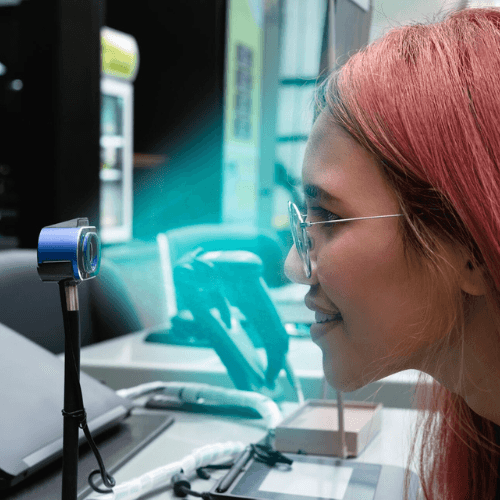
Study memory, problem-solving, attention and decision-making through gaze and other signals.
Support the detection and study of neurological conditions such as Alzheimer’s, Parkinson’s and schizophrenia with objective data.
Combine eye tracking with EEG, GSR and heart rate to reach the nonconscious processes behind behavior.
Media & Marketing
Using Affectiva’s facial coding, we measure consenting viewers’ unfiltered emotional and cognitive responses to ads, film and content — unobtrusively and at scale. It helps brands and researchers understand engagement even when people can’t or won’t put it into words.
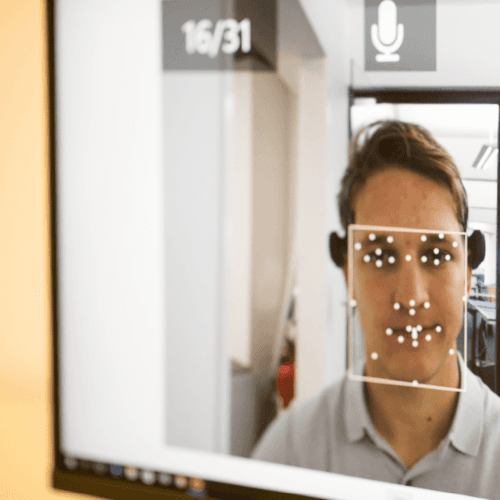
Measure how target audiences respond to animatic and finished video, answering creative, media and ROI questions with emotional data.
Understand viewer engagement with films, trailers and shows to create content people want more of.
Capture authentic emotional responses from participants, in person or online, beyond what they self-report.
Multimodal research with iMotions
Much of human behavior happens below conscious awareness, so a fuller picture means combining signals. The iMotions platform synchronizes eye tracking with facial coding, EEG, ECG, EMG, galvanic skin response, and heart rate — giving researchers emotional, cognitive, and behavioral data in one place.

Research instruments
Advanced Research runs on our eye tracking systems, matched to your environment and study.
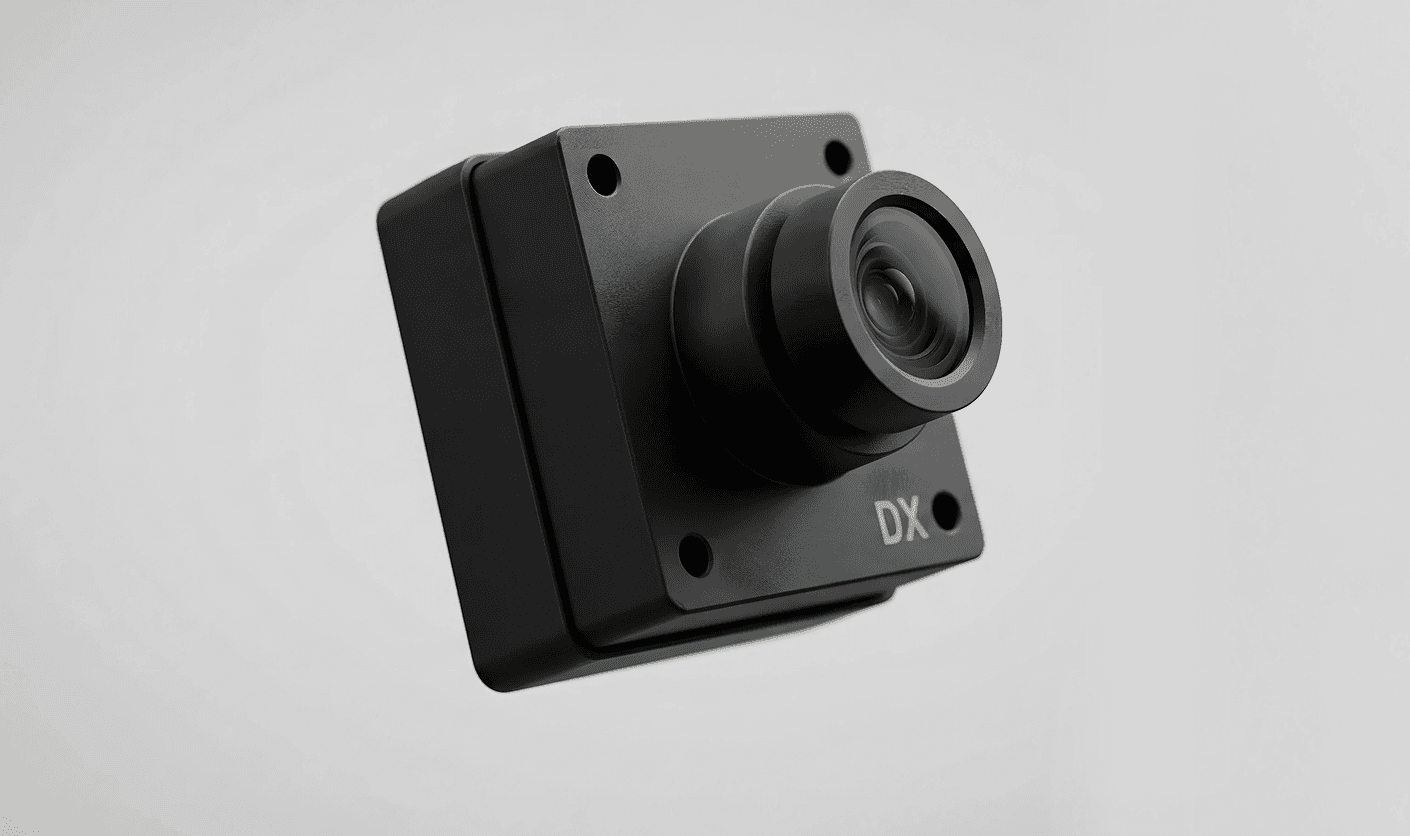
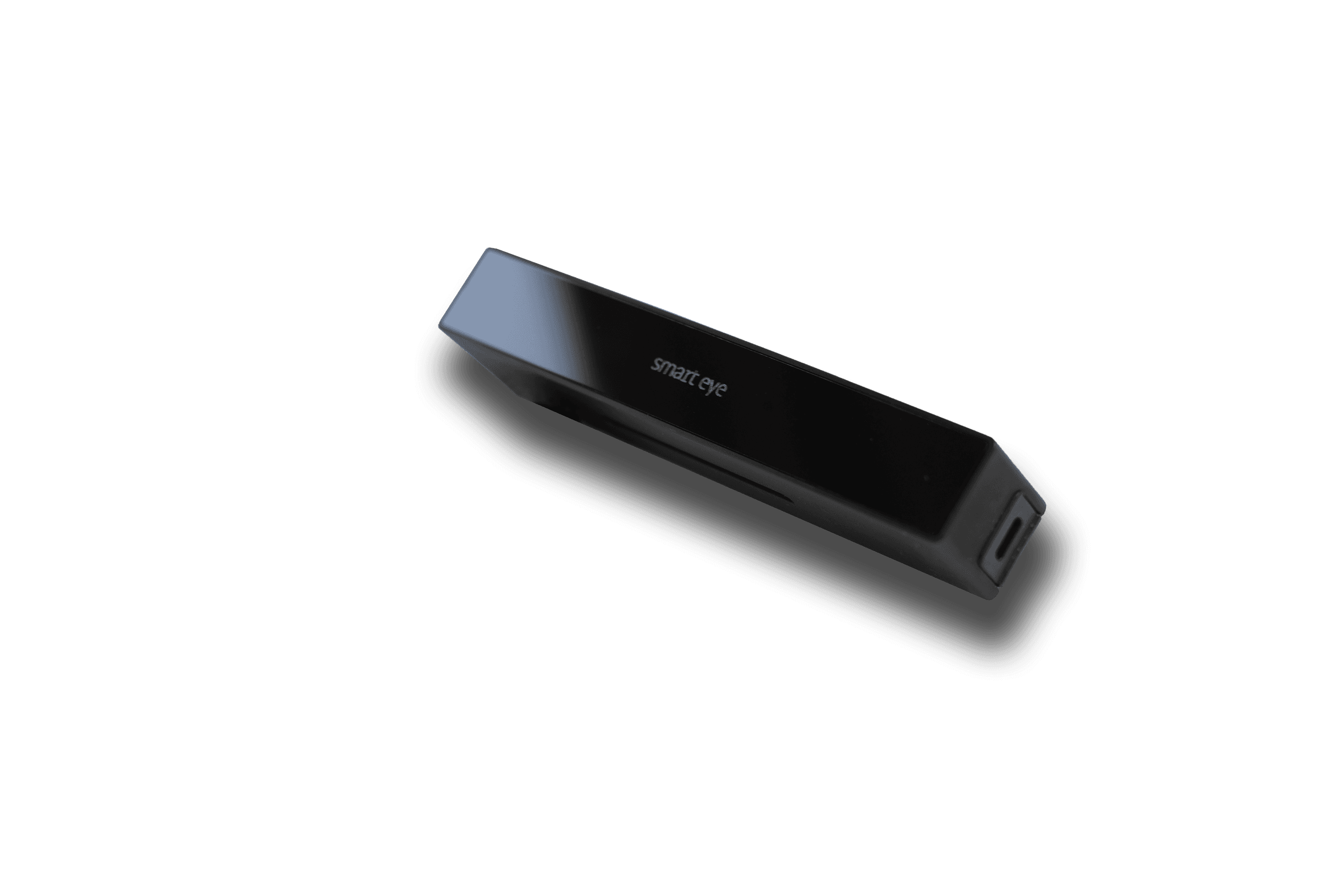
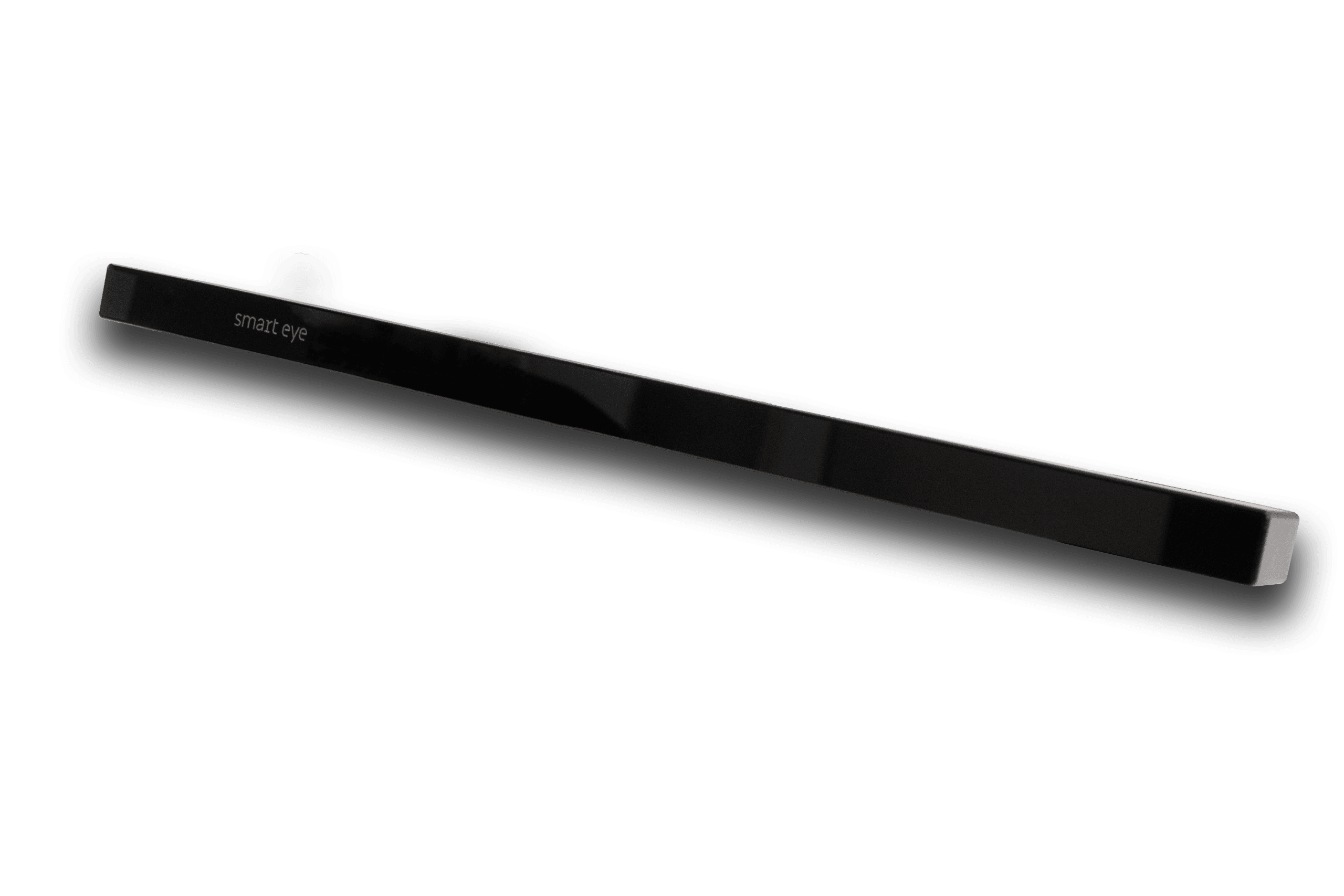

Control Rooms
Simulators
Multi-Screens

Single Screens
Find the right setup for your research. Tell us what you’re studying and our research team will help you find the right instruments and configuration.
Advanced Research FAQ
Our remote eye tracking adapts to the way a study is set up rather than forcing the study to fit the equipment — across control rooms, driving and flight simulators, multi-screen and single-screen setups, long-range tracking, domes and immersive simulators, and instrumented vehicles. Because the cameras are remote, participants aren’t wearing anything, so the same approach works across lab and field studies without changing how people behave.
Yes — our systems are fully remote, so there’s no headset, glasses or attachment for the participant to wear. That matters for research: people behave more naturally when they aren’t conscious of equipment on their face, which keeps the data closer to real-world behavior. Remote tracking also makes studies easier to run with larger and more varied participant groups.
Through the iMotions platform, eye tracking is time-synchronized with signals like facial expression, EEG, ECG, EMG, galvanic skin response and heart rate, so every measure lines up on a single timeline against your stimulus. That lets you see not just where a participant looked, but what was happening cognitively and physiologically at that moment. iMotions handles study setup, respondent management, visualization and analysis in one place.
Smart Eye Pro is our flagship remote system for demanding, large-scale setups — driving and flight simulators, multi-screen and control-room environments, and long-range tracking. XO adds dual-camera durability with the same Smart Eye Pro software, and Aurora is our most compact tracker, easy to move between projects and to synchronize with sensors like EEG on a single screen. The right choice depends on the size of your environment, the number of screens, and how much freedom of movement the study needs.
Yes. By studying eye movements alongside other biometrics, researchers use our technology to investigate cognitive processes such as memory, attention and decision-making, and to support the detection and study of neurological conditions such as Alzheimer’s, Parkinson’s and schizophrenia with objective data. Combining gaze with signals like EEG and GSR helps reach the non-conscious processes behind behavior.